Roofers Explain How to Tell If You Need Repair or Replacement
Many homeowners contact roofers in Anderson, SC with the same question: does that leak, stain, or missing shingle mean a quick fix or a full tear-off? The problem is real. A damaged roof left unchecked invites water intrusion, mold growth, and expensive structural decay. In a region where afternoon thunderstorms, hail, and relentless humidity can punish a roof year-round, even minor issues escalate fast. A small crack in March can become a sagging ceiling by August. The good news is that a combination of simple at-home checks and a thorough professional inspection can give you a clear answer. This guide walks you through the common signs, local code requirements, and cost considerations so you can make a confident decision about your next roofing service.
Key Takeaways
- Visible exterior damage like missing or damaged shingles, interior leaks such as water stains on ceilings, and the overall age of your roof are the primary factors in deciding between repair and replacement.
- Anderson, SC weather including severe storms, intense summer heat, and high humidity accelerates roof wear, making regular roof inspections critical for every homeowner.
- Small, isolated issues like a few lifted shingles or localized flashing damage often justify a targeted roof repair, while widespread deterioration or aging materials typically call for a new roof.
- Working with a professional roofing contractor and filing proper insurance claims helps SC homeowners control long-term costs and protect their investment.
Visible Exterior Clues Your Anderson Roof May Be Failing
Many roof problems can be spotted from the ground without ever climbing a ladder. Grab a pair of binoculars and slowly scan each slope, valley, ridge, and edge around the entire home.
Common signs to watch for include:
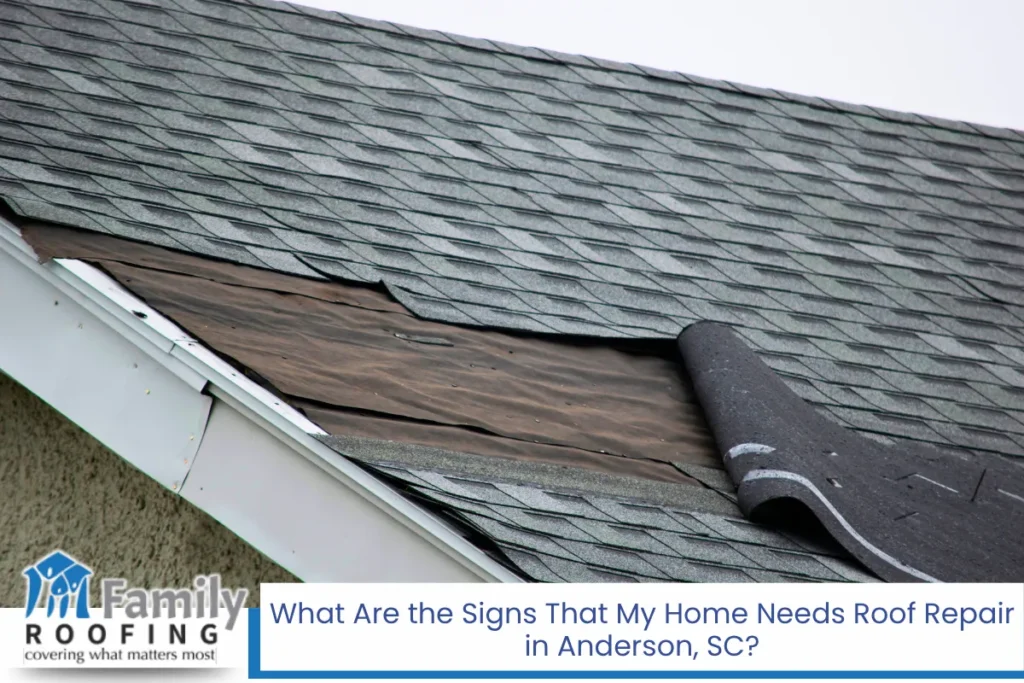
- Curled, cracked, or blistering shingles that have lost flexibility
- Excessive shingle granules in gutters, which signal roof deterioration and loss of protective coating
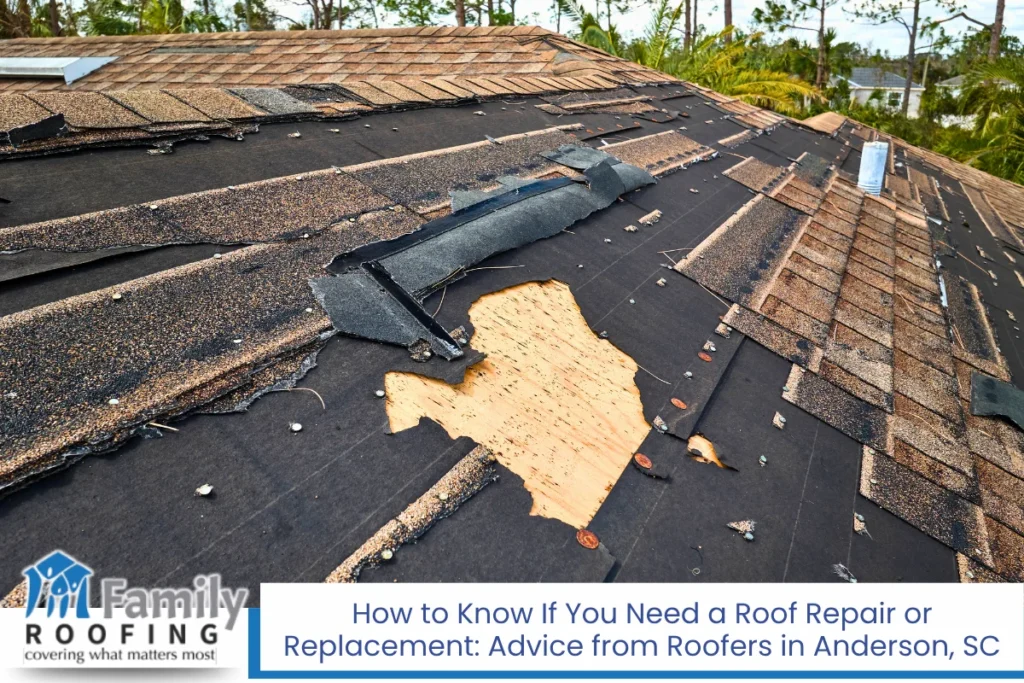
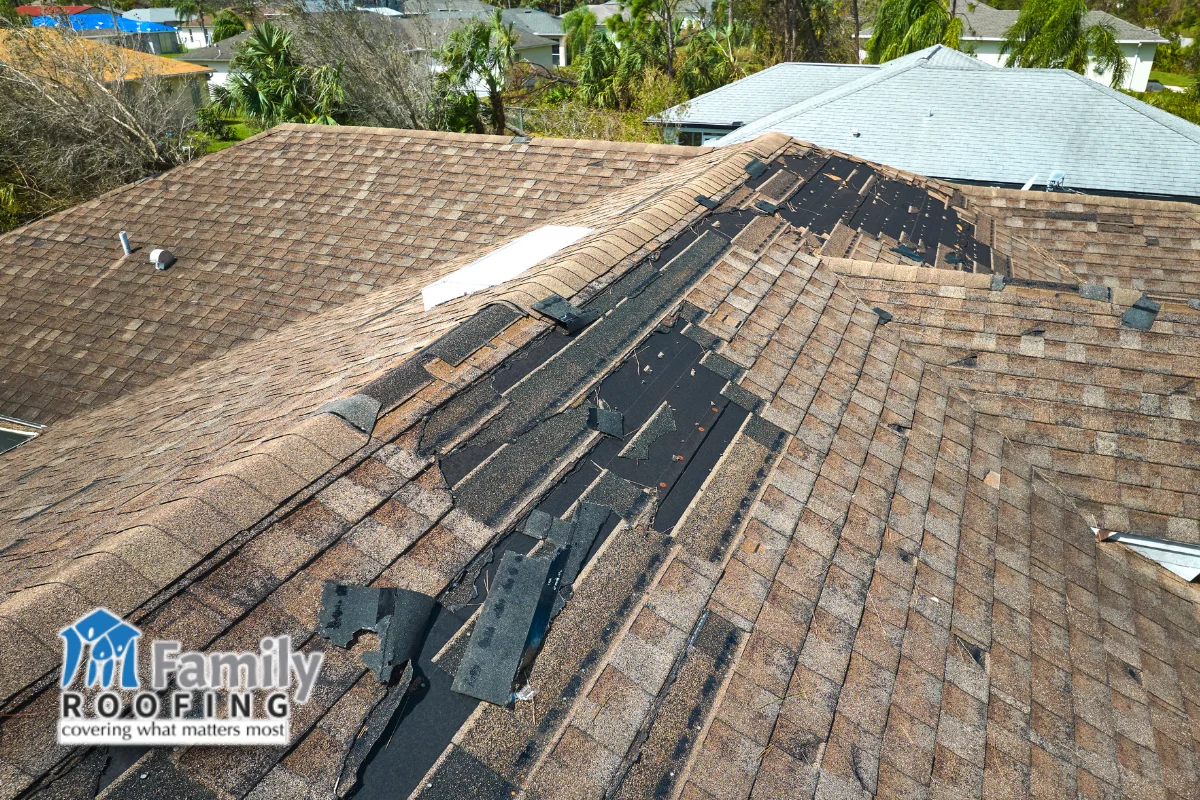
- Missing shingles or sections that have blown off during storms
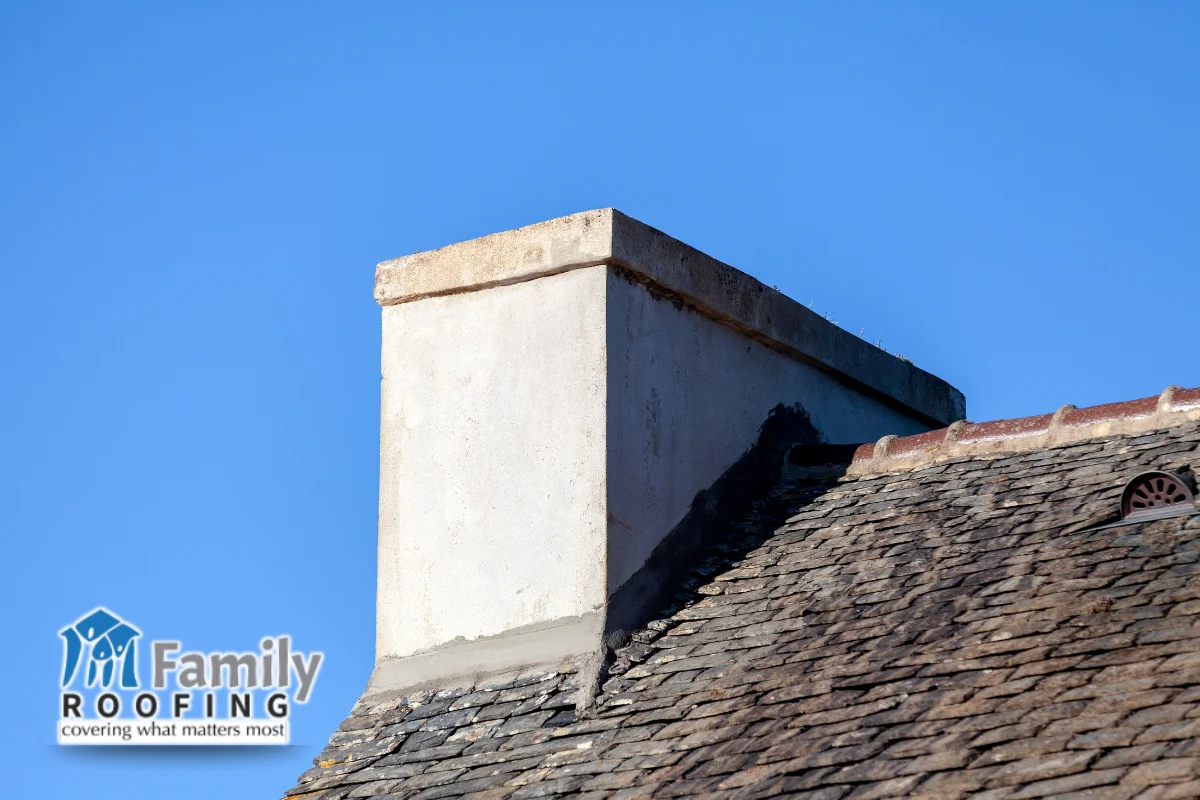
- Loose or corroded flashing around chimneys, vents, and valleys
- Rusted or split metal roofing panels on homes with metal roof systems
Missing or damaged shingles indicate that roof repair is needed before water can reach the underlayment or decking. Common warning signs that a roof needs attention include granules in the gutters and water stains on ceilings, so check both outside and inside.
When visible damage is confined to one small area, a targeted repair usually makes sense. But if you notice wear across multiple slopes, curling on opposite sides of the roof surface, or hail bruising scattered everywhere, the conversation shifts toward replacement. Anderson County has experienced over 226 recorded hail events, including storms that produced grapefruit-sized hail, so post-storm inspections identify hidden roof damage that the naked eye might miss from the ground.
Interior Warning Signs in Attics, Ceilings, and Walls
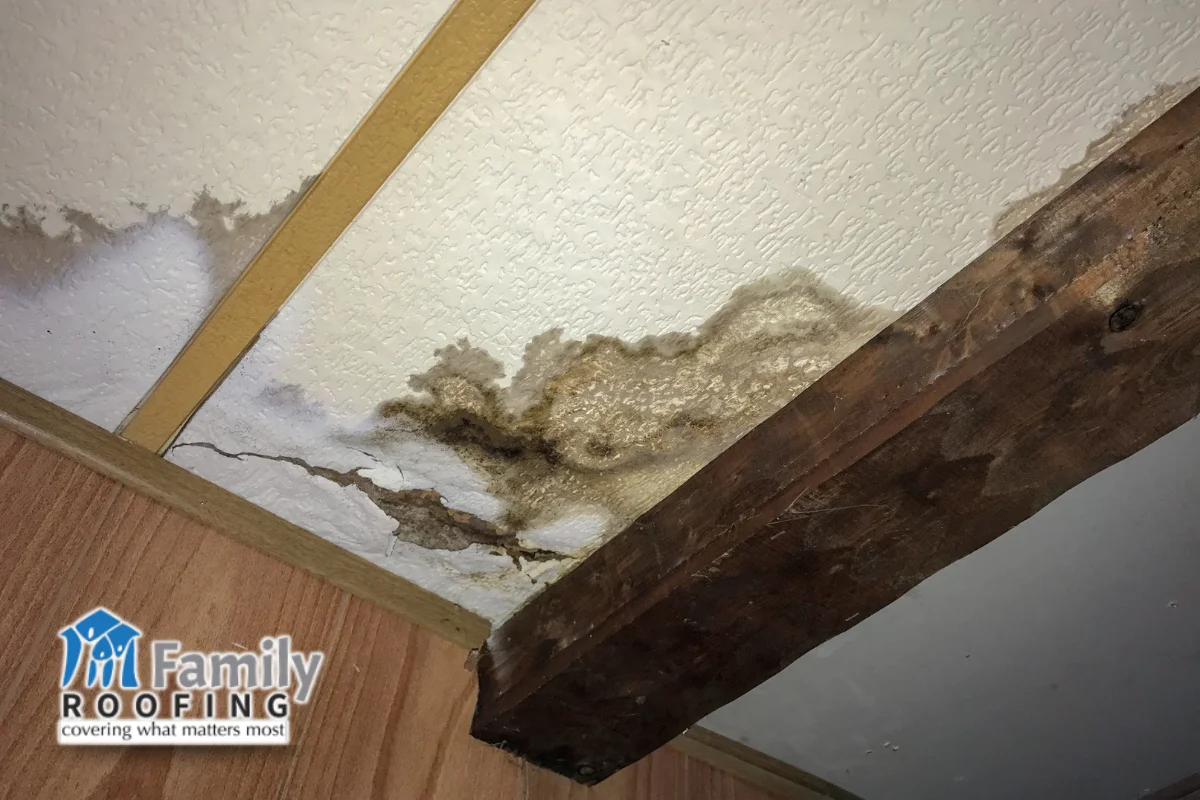
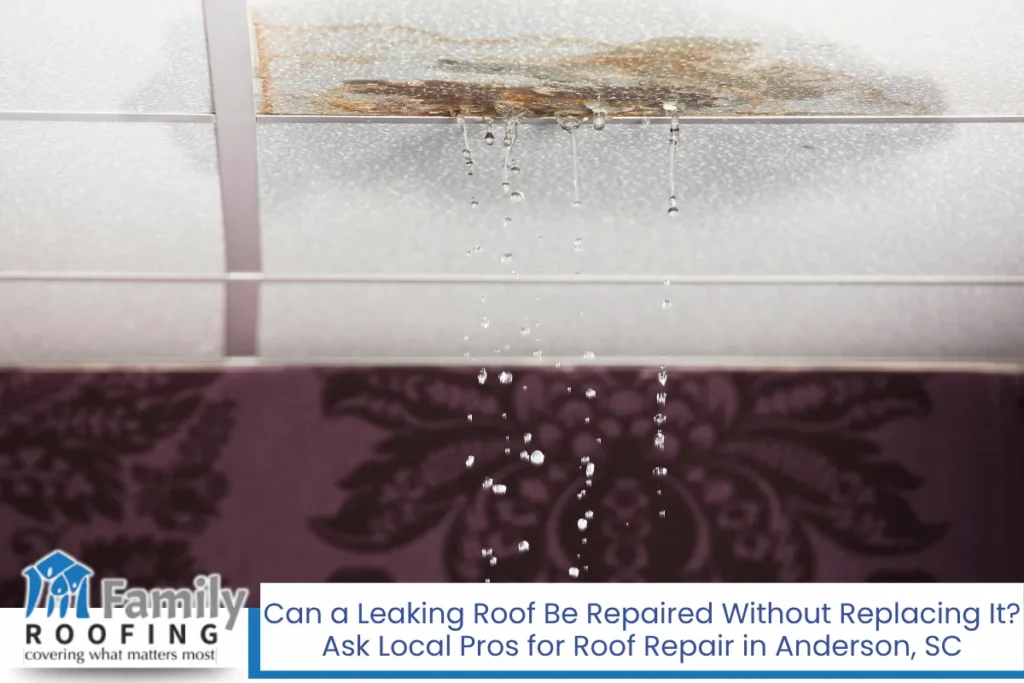
Interior checks often reveal a leaking roof before extensive exterior damage becomes obvious. Water stains on ceilings suggest roof leaks that may have been developing for weeks or months beneath the shingles.
Key indicators to look for inside your home:
- Brown or yellowish ceiling stains, especially ones that grow after each storm
- Damp or compressed insulation in the attic
- Peeling paint or bubbling wallpaper on upper-story walls
- Musty smells that point to hidden moisture
- Daylight visible in the attic, which can signify major roof deterioration or structural issues
After heavy rain or a hailstorm, take a flashlight into the attic and inspect around chimneys, vent pipes, and valley areas where water naturally concentrates. Moisture intrusion can worsen if roof leaks are ignored, turning a small drip into saturated decking and compromised framing.
Small, contained stains from a single entry point may be handled with a targeted repair. But if you find recurring or expanding moisture in several spots, the underlying problem is likely too widespread for patching alone. The consequences of ignoring these early signs include mold growth behind walls, deteriorated framing, and a significantly higher overall replacement cost later.
Structural Red Flags and Roofline Changes You Cannot Ignore
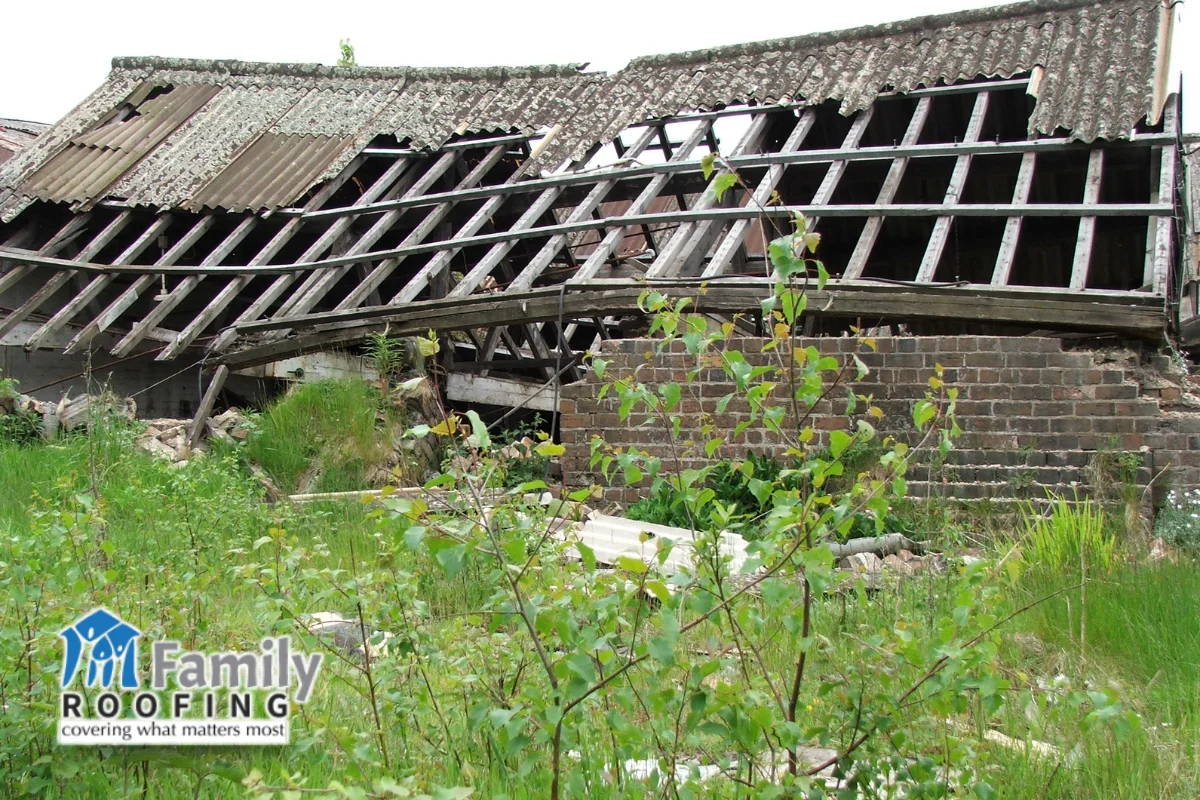
Structural warning signs represent serious conditions that require prompt attention from a professional roofing contractor. These are not cosmetic issues. They affect the integrity of the entire building envelope.
Red flags to be aware of:
- Sagging rooflines indicate structural issues requiring immediate attention, often caused by compromised rafters or waterlogged decking
- Dips or waviness between rafters visible from the street
- Soft or spongy spots in the attic floor, which a contractor can identify during inspection
- A roofline that appears uneven or bowed from the curb
Chronic leaks combined with poor ventilation can lead to rot in decking, rafters, and trusses under both residential and commercial roofs. Neglected minor issues can lead to major structural problems in roofs, so what starts as a slow drip may eventually compromise the load-bearing capacity of the framing.
When structural issues are present, the conversation almost always moves from minor repair toward partial or full roof replacement. Contact a fully licensed contractor in Anderson to coordinate any needed engineering review or code-compliant structural correction before the problem spreads.
How Anderson, SC Weather Accelerates Roof Wear
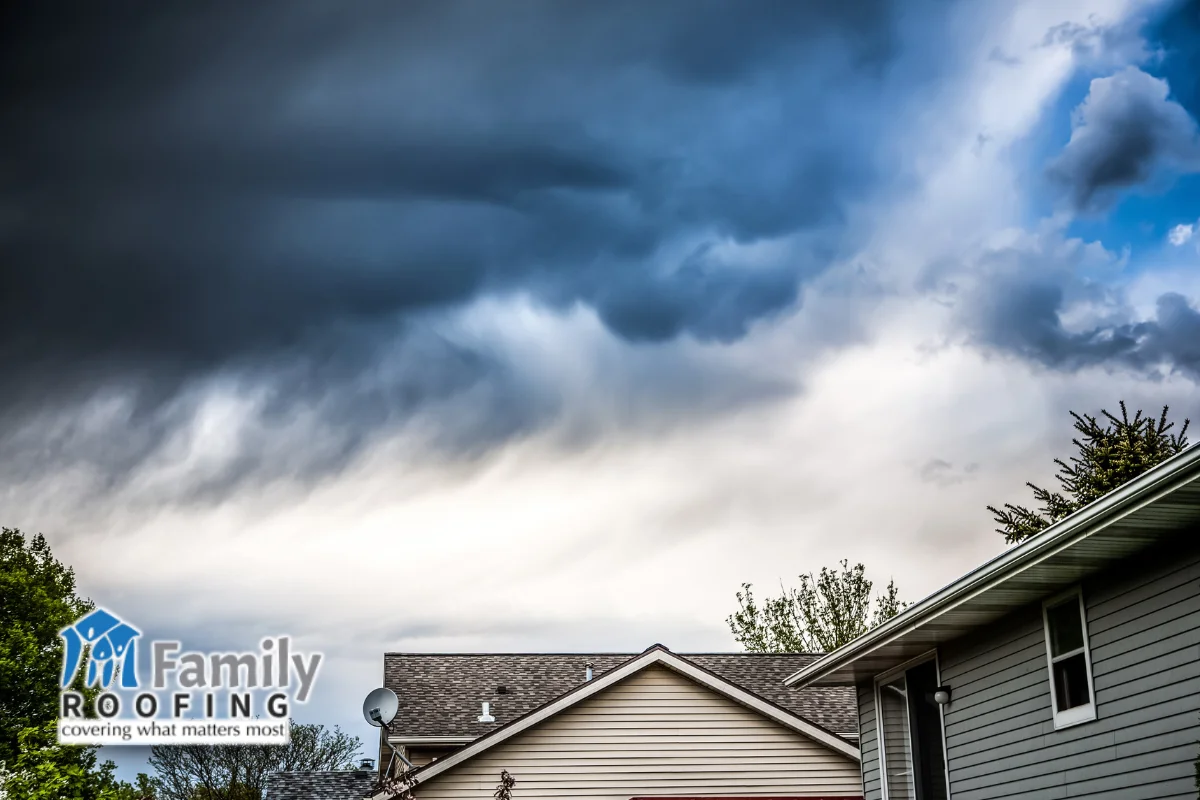
Living in Upstate South Carolina means your roof contends with a demanding climate almost year-round. Severe storms, high winds, and heavy humidity can accelerate roof wear far beyond what manufacturers predict under ideal conditions. The humid subtropical climate affects roof material degradation in ways that homeowners in drier regions rarely experience.
Here is how local weather conditions take a toll:
- UV exposure during long, hot summers dries out asphalt shingles, making them brittle and more likely to crack or blow off during the next storm
- Persistent humidity encourages algae streaks and moss growth on shaded slopes, retaining moisture that damages shingle granules over time
- Dark streaks on shingles may indicate algae growth, which is more than just a cosmetic issue in this climate
- Anderson County has recorded 392 strong wind events exceeding 50 knots since the mid-1950s, and wind uplift can weaken roofing components after storms even when no shingles are visibly missing
- Hail events are frequent, with 119 recorded storms producing hail one inch or larger
Roof lifespan depends on material and weather exposure, and Anderson’s combination of heat, moisture, and storm activity shortens the effective life of nearly every roofing material. Metal roofing and higher-grade architectural asphalt shingles may perform better in this environment, but they still require regular professional roofing care and periodic maintenance to reach their full design life.
Deciding Between Roof Repair and Complete Replacement
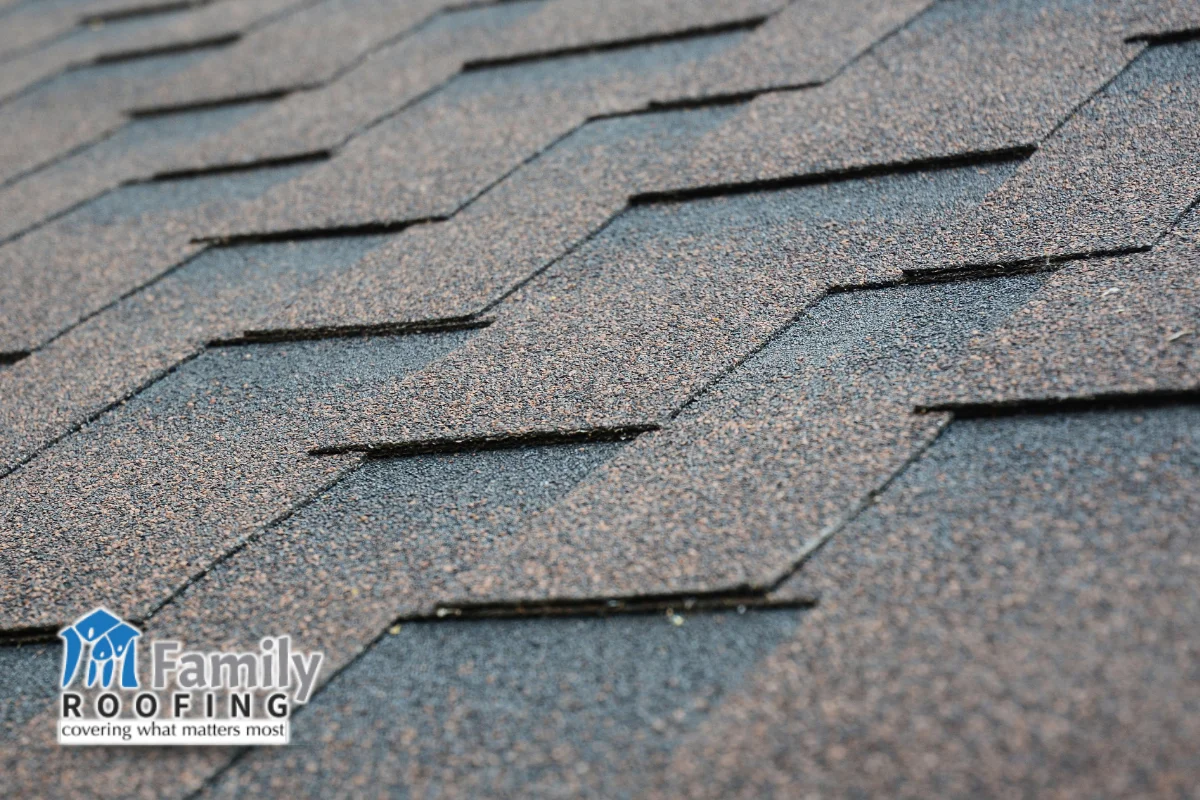
The decision between repair and replacement hinges on three factors: age, extent of damage, and long-term cost-efficiency. No single symptom tells the whole story. Most modern roofing materials have an average lifespan that varies by type and installation quality, so understanding where your roof sits on that timeline matters.
Typical life expectancies under Anderson, SC weather conditions:
| Material | Expected Lifespan |
|---|---|
| Standard 3-tab asphalt shingles | 15 to 20 years |
| Architectural asphalt shingles | 20 to 30 years |
| Metal roofing | 40 to 70 years with proper maintenance |
Asphalt shingles last between 20 and 30 years on average, but that range narrows in a climate with intense UV and frequent storms. A repair is usually sufficient if the damaged area affects less than 30 percent of the total roof surface. Localized damage often requires a targeted repair rather than full replacement, saving homeowners significant money when the rest of the roof is sound.
However, recurring leaks across multiple locations typically indicate the need for roof replacement. Repeated patching acts as a series of temporary fixes that can eventually cost more than a timely new roof installation when you add up materials, labor, and ongoing water damage.
Roof replacement costs in Anderson depend on roof size and materials, so ask your roofing contractor for clearly separated estimates showing the repair cost, the full replacement cost, and any potential energy or maintenance savings. This side-by-side comparison helps many homeowners make a data-driven decision rather than an emotional one.
Read How Do Roofers in Anderson, SC Differ for Residential vs. Commercial Projects?
Permits, Building Codes, and Required Roof Inspections in Anderson
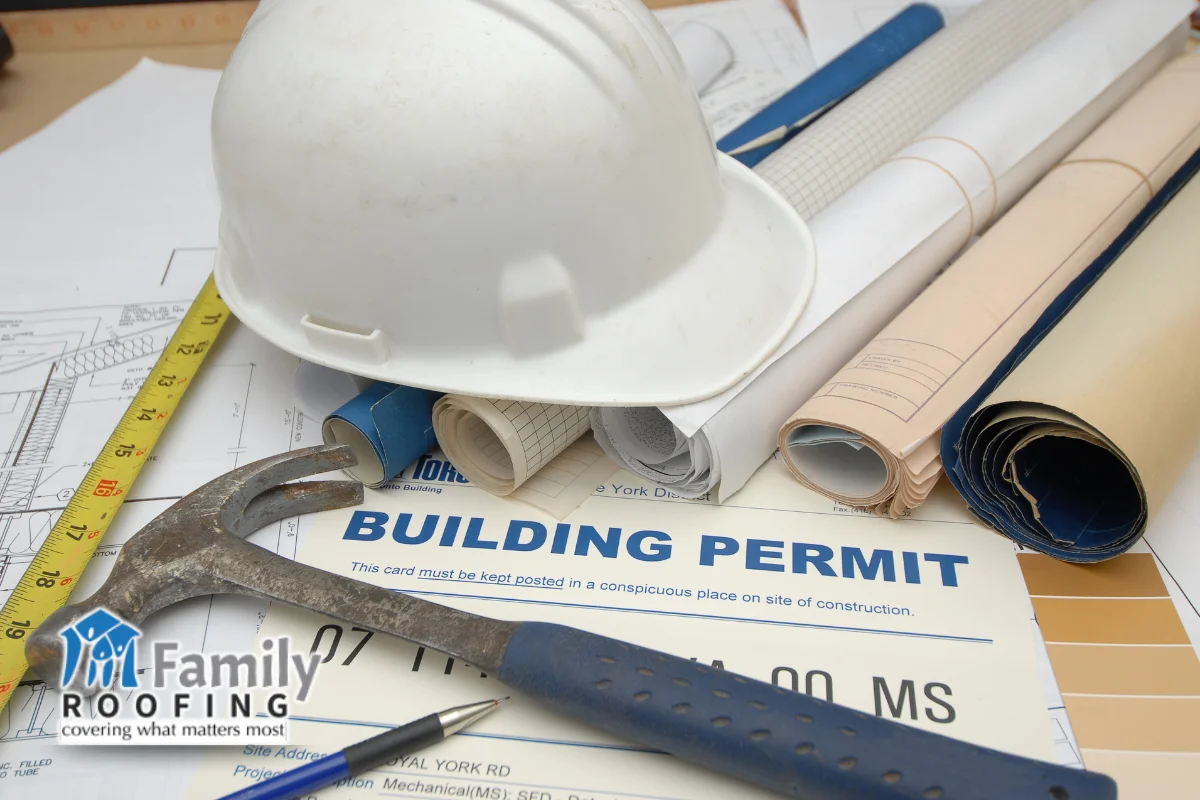
Anderson homeowners must follow South Carolina building codes and local permitting rules for major roof work. Whether you live within city limits or in the county, replacing a roof or making structural repairs to decking and framing is typically required to have a permit from the appropriate building department.
Key points about local building codes and permits:
- Residential construction in Anderson is governed by the 2021 South Carolina Residential Code (SCRC), which adopts the 2021 International Residential Code (IRC) with state-specific modifications approved by the South Carolina Building Codes Council covering wind resistance, fastening patterns, underlayment, and drip edge requirements
- Asphalt shingle roofs in areas where the design wind speed is 110 mph or greater must meet ASTM D3161 or ASTM D7158 Class H or F wind ratings, and a six-nail fastening pattern may be required
- Licensed contractors are responsible for meeting code, scheduling any required inspections, and documenting approvals for the finished roof installation
- Minor like-for-like repairs may have different permit requirements, so confirm with the local building department before work begins
Keep all permits, final inspection sign-offs, and warranties in a safe place. These documents matter during future insurance company inquiries, home appraisals, and real estate transactions. Working with a contractor who understands local building codes ensures that your re roof project will pass inspection and protect your home for years to come.
Roof Repair, Insurance Claims, and Budget Protection

Storm damage in Anderson, SC may be partly covered by homeowners insurance depending on your policy’s terms and conditions. Understanding the claims process before you need it can save you thousands.
Steps to follow after storm damage:
- Perform emergency mitigation like tarping exposed areas to prevent further water intrusion
- Document damage with dated photos and video from multiple angles
- Schedule a professional inspection to get a written report detailing the extent of roof damage
- Contact your insurance company to file a claim, referencing your documentation and the contractor’s report
- Compare repair versus replacement scenarios with both the roofer and your adjuster
Key insurance terms to understand include your deductible, actual cash value versus replacement cost coverage, and any policy limits that apply. Homeowners insurance may cover storm-related roof damage, but the payout depends on your roof’s age, condition, and policy type. Professional inspections help document storm damage for insurance claims and reduce disputes with adjusters by providing detailed, impartial assessments.
Ask a licensed contractor to provide an independent repair estimate and structural assessment to help you weigh your options when filing an insurance claim. This approach helps protect your budget while making sure the final solution actually addresses the root cause.
Choosing a Roofing Company You Can Trust in Anderson

Working with a reputable roofing company matters whether you need residential roofing work on your family home or commercial roofing services for a business property. The contractor you choose directly impacts the quality, warranty coverage, and code compliance of the finished job.
When vetting roofing contractors, look for:
- A valid South Carolina contractor license, proper liability insurance, and workers compensation coverage
- A local business address in Anderson or the surrounding area
- Verifiable references and photo examples of recent roofing projects in the community
- Clear written proposals that specify roofing materials, underlayment, ventilation, cleanup, and warranty terms
According to industry surveys, 93 percent of homeowners recommend their roofing contractor, which speaks to the value of choosing carefully up front. Check references and recent project photos for contractor reputation before committing.
Be cautious of door-to-door storm chasers who show up uninvited after severe weather. Avoid high-pressure sales tactics when choosing a contractor, and be skeptical of vague promises about free roofs through insurance claims. Verify contractor qualifications before signing any agreement.
A trustworthy roofer will provide clear guidance on whether a leaking roof truly needs full replacement or if a thoughtful, well-executed repair will suffice. Most contractors who have built their reputation locally will prioritize honest assessments over inflated invoices.
Extending the Life of Your Roof with Preventive Maintenance
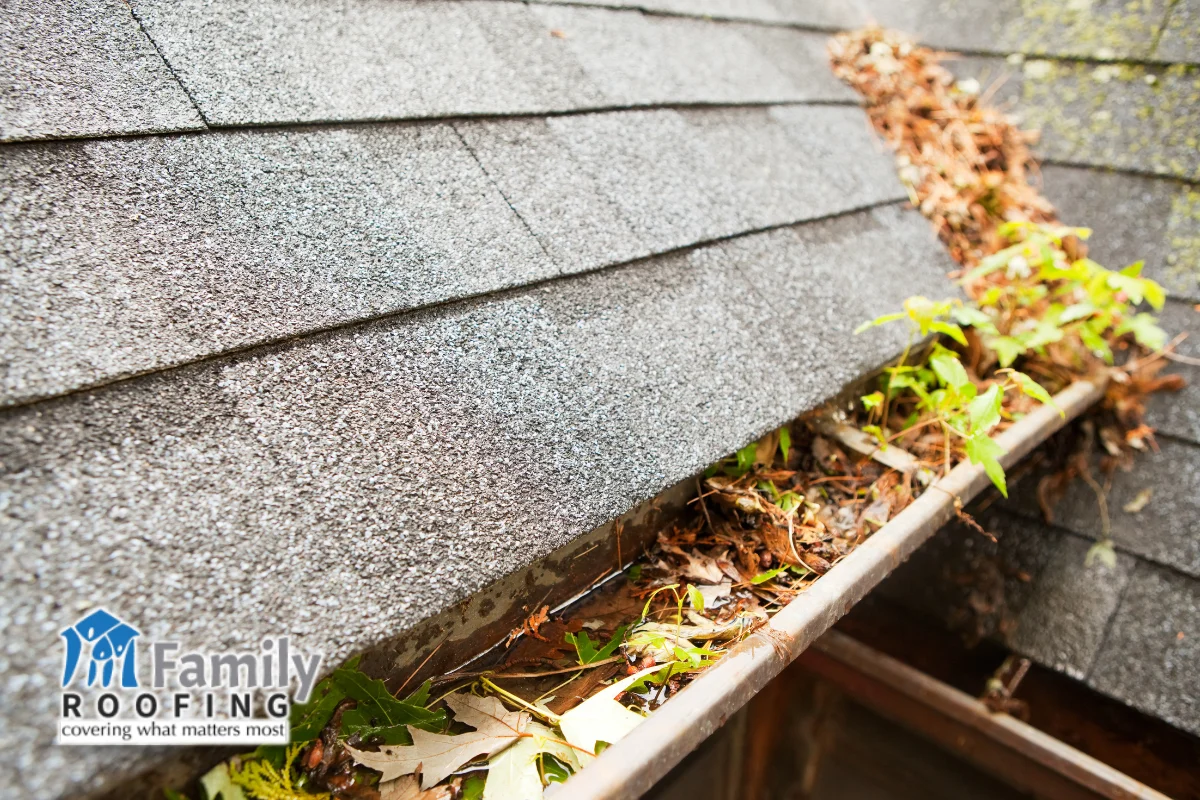
Regular maintenance often delays replacement and reduces surprise repair costs for Anderson homeowners. A small investment of time each season can add years to your roof’s useful life.
Simple tasks that make a difference:
- Clean gutters and downspouts at least twice a year to prevent water backup
- Trim overhanging branches that drop debris and shade the roof, encouraging moss growth
- Check valleys and low spots for accumulated leaves or standing water
- Monitor ceilings and attic spaces for new stains or damp spots after heavy rainfall
Homeowners should schedule roof inspections after severe weather to catch lifted shingles, loose flashing, or minor sealant failures before they become larger problems. Reputable roofing companies often offer free inspections to assess conditions after major storms, which makes it easy to stay on top of your roof’s health without added cost.
Annual roof inspections can extend lifespan by 5 to 10 years, and regular inspections can extend a roof’s lifespan by 5 to 10 years when combined with prompt attention to the early signs of wear. Proactive upgrades like improved attic ventilation or reflective shingles can also help Anderson roofs last significantly longer by reducing heat buildup and moisture retention.
Roofers in Anderson, SC – Call Family Roofing
We are Family Roofing, your trusted local roofers serving Anderson, SC and the surrounding areas. Our team specializes in roof repair, roof replacement, and thorough roof inspections for both residential and commercial properties. We believe in honest assessments. When a simple repair is enough, we tell you. When a new roof is the smarter investment, we explain exactly why and walk you through every option.
Our roofing contractors deliver high-quality craftsmanship backed by dependable customer service on every project. Whether you are dealing with storm damage, an aging roof, or just want peace of mind, we are here to help.
Call us at (864) 261-0841 or fill out our online contact form to schedule a free inspection. At Family Roofing, we protect what matters most to you.
Frequently Asked Questions
Can I stay in my home during a roof replacement?
Yes, in most cases you can remain in your home while your roof is being replaced. The work happens entirely on the exterior, so your daily routine is mostly unaffected. However, expect noise from hammering, material loading, and equipment throughout the workday. Dust and debris may settle around the perimeter of your home, so parking vehicles away from the house is a good idea. If anyone in your household is sensitive to loud sounds or has respiratory concerns, consider spending the daytime hours elsewhere. A typical residential roof replacement in Anderson takes one to three days depending on size and complexity. Your contractor should communicate the expected timeline before work begins.
What time of year is best for roof work in Anderson, SC?
Late spring and early fall tend to offer the most favorable weather conditions for roofing projects in Anderson. Temperatures are moderate, humidity is lower than peak summer, and the risk of afternoon thunderstorms drops compared to June through August. That said, most contractors stay busy year-round because storm damage does not follow a schedule. If you need emergency repair after heavy rain or hail, do not wait for a seasonal window. For planned replacements, booking during the shoulder seasons often means better scheduling availability and more predictable workdays. Always confirm material lead times with your contractor, as certain shingles or metal panels may have longer delivery windows during high-demand periods.
How do I know if my roof ventilation is adequate?
Check your attic for a few telltale signs of poor ventilation. If the space feels excessively hot in summer, far warmer than outdoor shade temperatures, airflow is likely insufficient. Look for moisture condensation on the underside of the roof decking, which indicates trapped humidity. Rusty nail tips protruding through the sheathing are another signal. Properly ventilated attics have intake vents at the soffits and exhaust vents near the ridge, creating a continuous airflow path. If you only see one type or none at all, your ventilation system may need upgrading. Poor ventilation accelerates shingle aging, encourages mold growth, and can void certain manufacturer warranties, so addressing it protects both the roof and the structure beneath it.
Should I be present during a professional roof inspection?
Being present during your roof inspection is not required, but it is highly recommended. When you are on site, the inspector can point out specific damage in real time, answer your questions immediately, and show you photos or video from the roof surface. This transparency helps you understand the scope of any potential repairs and builds trust with the contractor. Ask the inspector about material condition, estimated remaining lifespan, ventilation adequacy, and flashing integrity. Request a written report that includes photos, a description of findings, and separate cost estimates for repair versus replacement. Having this document on hand strengthens any future insurance claim and gives you a clear record for your files.
What is the difference between a repair warranty and a full replacement warranty?
When a contractor performs a targeted repair, the warranty typically covers only the repaired area and the labor involved. It does not reset or extend the manufacturer’s original material warranty on the rest of the roof. Repair warranties are usually shorter, often one to five years for workmanship. A full roof replacement, on the other hand, comes with a new manufacturer material warranty that can range from 25 to 50 years depending on the product tier. The contractor also provides a separate workmanship warranty, commonly five to fifteen years. Replacement warranties offer broader protection because every component, from decking to ridge cap, is new and installed to current standards and code requirements.
Disclaimer
This article provides general informational guidance for Anderson, SC property owners and does not substitute for specific legal, insurance, structural, or code-compliance advice from qualified professionals. Always consult a licensed contractor for your situation.
Read Re-Roofing Cost for an 1,800 Sq. Ft. House: Residential Roofing Guide in Anderson, SC