Can a Leaking Roof Really Be Repaired Without Replacing It?
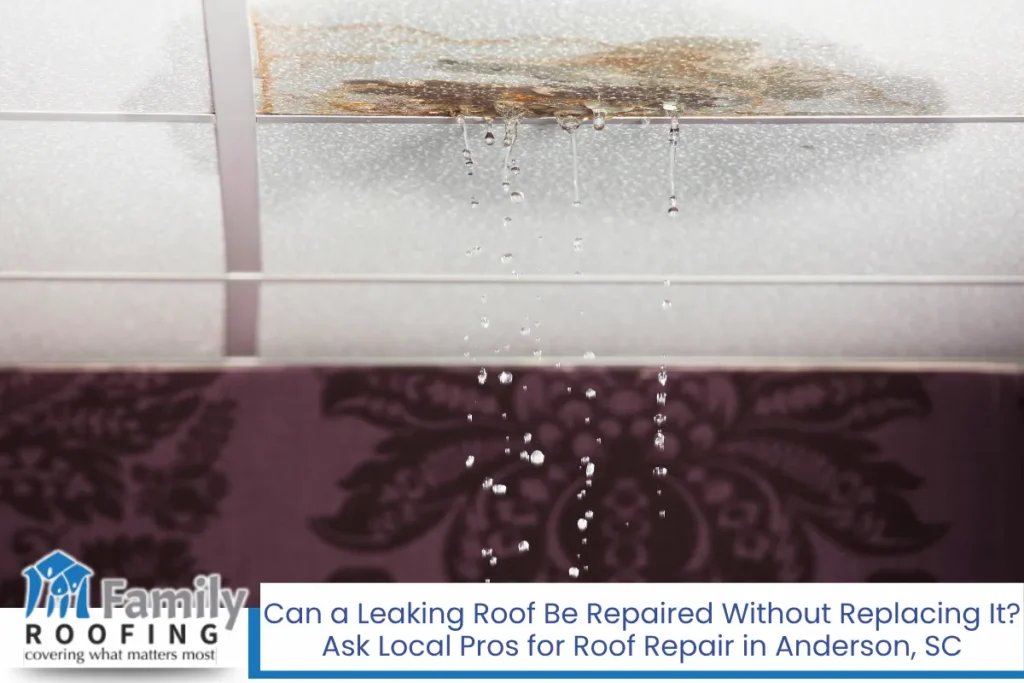
Roof repair in Anderson, SC is one of the most searched topics every spring and summer, and for good reason. A water stain spreading across your ceiling is enough to make any homeowner assume the worst. You picture scaffolding, dumpsters, and a five-figure bill. But here is the reality: repairing a leaking roof is possible without full replacement in many cases, especially when the problem is caught early. Professional evaluations are recommended to determine if repairs or replacements are needed, because the answer depends on specifics, not assumptions. The rest of this article walks through how local pros make that call, what it costs, and what you should do the moment you spot a leak.
Most leaks homeowners discover in Anderson trace back to a handful of small, fixable problems. A single torn shingle after a thunderstorm, a cracked plumbing vent boot, or a section of loose flashing around a chimney are all common examples. These issues rarely require tearing off the entire roof.
That said, some situations genuinely call for a new roof. Widespread shingle loss across multiple slopes, a sagging deck you can feel underfoot in the attic, and repeated leaks popping up in different rooms all point toward replacement rather than patching. A licensed roofing contractor evaluates roof age, materials, the water path, and structural condition before recommending a solution. The goal is accuracy, not upselling.
Key Takeaways
- Many leaks in Anderson, SC can be repaired without a new roof when the damage is localized and the roof still has service life remaining.
- Licensed roofers use thorough roof inspections to decide between targeted repairs, partial work, or full roof replacement.
- Ignoring roof damage risks mold, rotten decking, and structural problems that cost far more than a timely fix.
- Anderson County homeowners can often file insurance claims for sudden storm-related damage, but not for normal wear and tear.
- Choosing an experienced local roofing contractor improves customer satisfaction and helps you navigate the claims process without unnecessary stress.
How Anderson Roofers Decide Between Repair and Replacement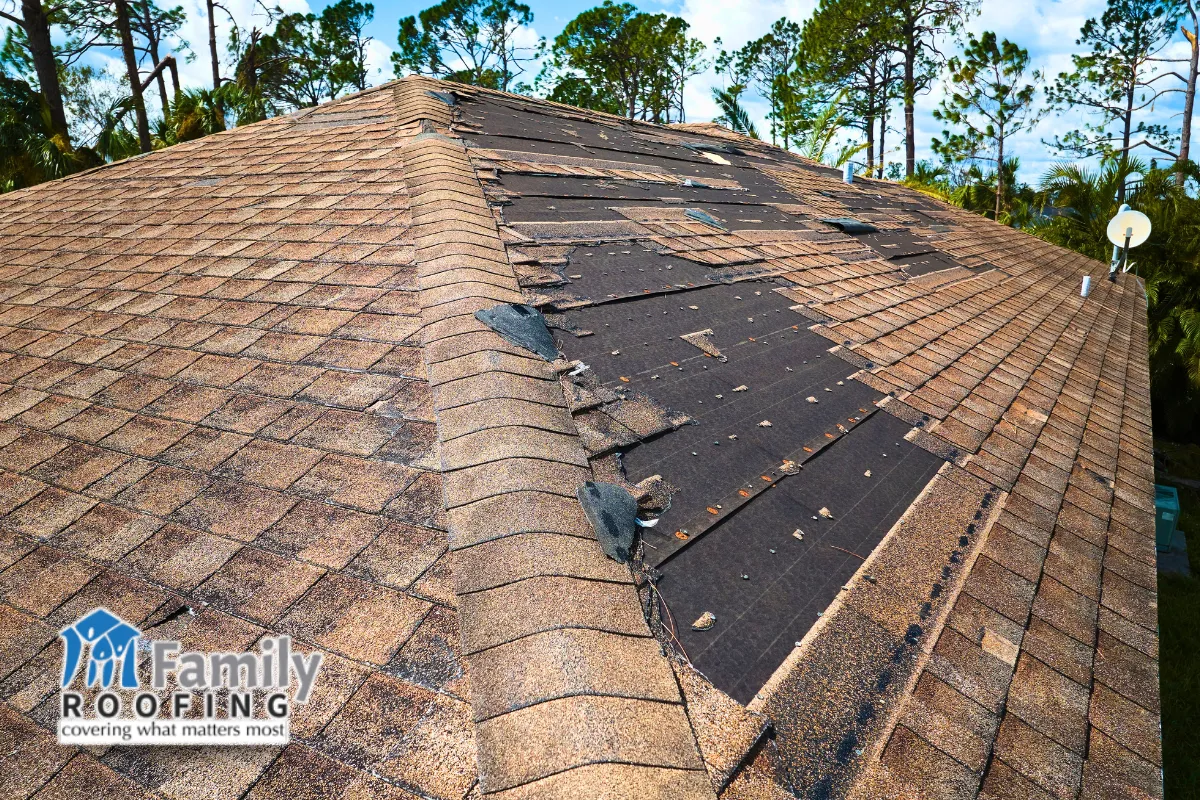
The decision is based on what an inspection reveals, not on guesswork. Local roof repair professionals assess damage and recommend targeted repair methods after examining both the exterior surface and the attic space below.
A standard shingled roof lasts 15 to 30 years depending on the material and installation quality. In Anderson’s humid subtropical climate, architectural asphalt shingles realistically hold up for about 20 to 25 years, while three-tab shingles often reach only 15 to 20 years. Fiberglass shingles last 25 to 50 years, and basic asphalt lasts closer to 15 years with typical maintenance. Metal roofing, particularly standing seam panels, can perform for 40 to 70 years even with the UV exposure and storm activity common in Anderson County. High winds may curl or remove individual asphalt shingles, leading to leaks that show up after summer storms or the remnants of tropical systems.
Roofers weigh several practical criteria before writing up a recommendation:
- Proportion of the roof area affected versus the area still performing well
- Number and location of active leaks
- Condition of underlayment and decking (soft spots mean deeper trouble)
- Moisture levels in the attic, including signs of condensation or mold
- How many times the roof has already been repaired in recent years
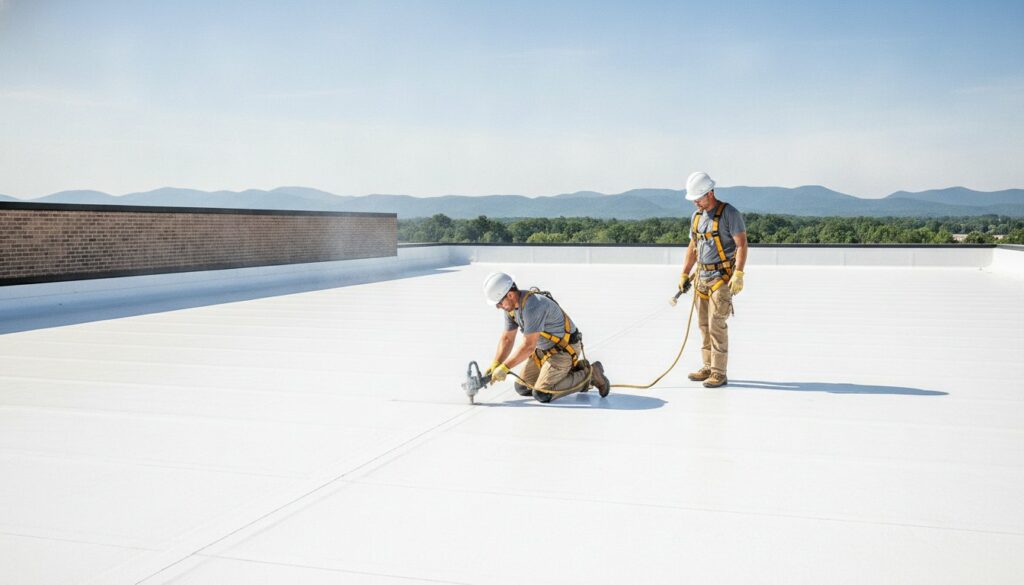
Isolated damage on a young roof typically indicates repair. Roof inspections after hail, high winds, or heavy summer storms can reveal hidden damage that is invisible from the ground. For commercial roofing systems like TPO, PVC, or EPDM membranes, contractors often evaluate membrane age, ponding water, and seam failures to determine whether a spot fix or full membrane replacement makes more sense.
Common Leaks That Can Be Repaired Without a New Roof
Many leaks in Anderson County are localized issues that do not require removing the entire roof when addressed quickly. Localized damage refers to problems affecting less than 25% to 30% of the roof surface. Partial roof repairs are common for this type of damage.
Specific problems that a roofer can typically fix without a full replacement include:
- A small area of missing shingles blown off during a storm
- Nail pops caused by thermal cycling loosening fasteners over time
- Cracked plumbing vent boots, which are one of the most frequent leak sources; water leaks can often be traced back to plumbing vent boots and penetrations
- Minor flashing gaps around chimneys or skylights; flashing around chimneys and valleys is a frequent source of leaks
- Exposed or corroded fasteners on metal panels
- Roof valleys that channel large amounts of rainwater and may require restoration or resealing
Repair or replacement of flashing is a common method for resolving leaks in these areas. Common localized repair techniques include shingle replacement, resealing penetrations, and installing new flashing. Contractors may also patch localized punctures or replace damaged underlayment in the affected zone. Punctures and cracks on flat or low-slope surfaces can be sealed using elastomeric coatings or roof cement, which is especially relevant for commercial properties.
Roofing experts often check for hidden leaks that may not be directly under visible stains on interior ceilings. Local roofers often prioritize diagnosing the specific entry point of leaks, because water can travel several feet along a rafter before dripping onto drywall. A typical service call involves inspecting the attic for moisture trails, examining the roof surface and penetrations, and tracing the water route back to its origin. Roof repair costs vary based on scope and materials, but most Anderson homeowners pay between $900 and $1,100 for a standard repair job. Simple fixes like replacing a few shingles or a vent boot can run between $386 and $850.
A well-executed repair on a relatively young roof can extend its life by several years while you budget for future upgrades.
Warning Signs That Your Roof May Need Full Replacement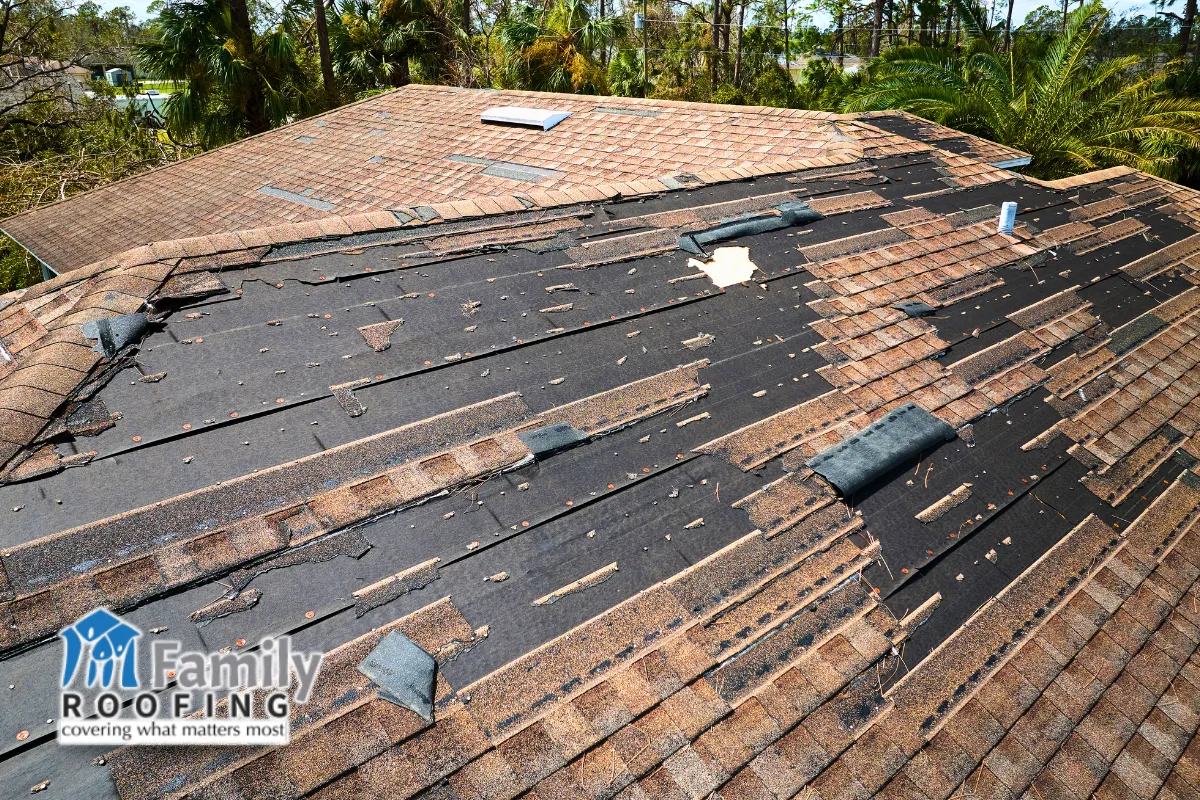
Some leak situations mean patching would be a short-term bandage, not a wise long-term investment. Widespread deterioration on roofs older than 15 years often requires replacement rather than repeated fixes.
Clear warning signs include:
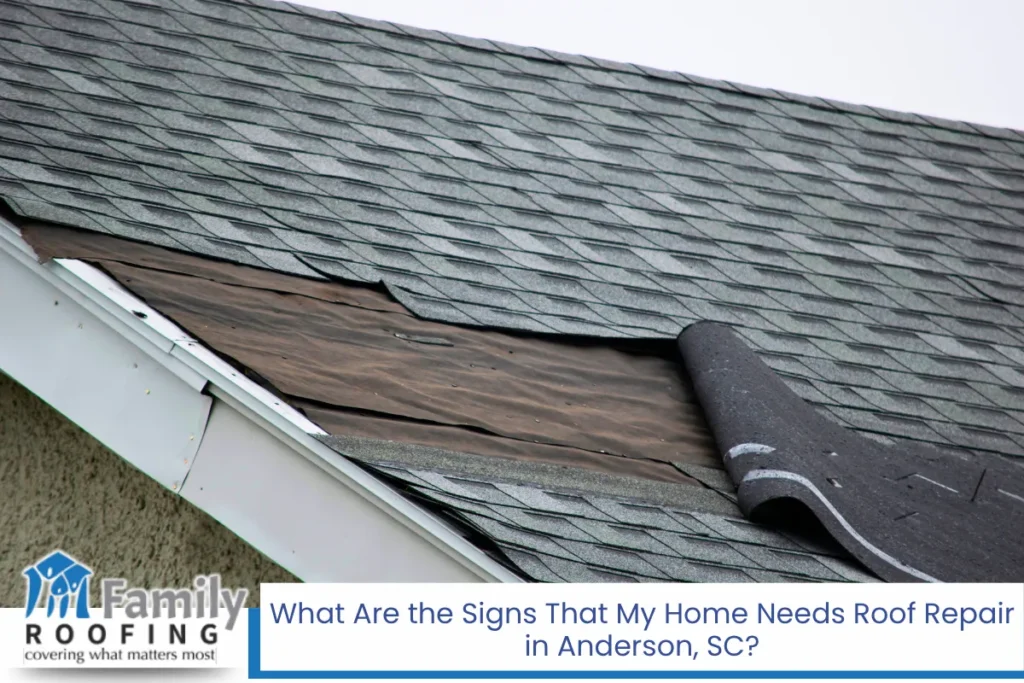
- Widespread curling, blistering, or brittle shingles across multiple slopes
- Large bare patches where granules have worn away, exposing the mat underneath
- Visible sagging in the roof deck, indicating structural compromise
- Soft or spongy decking underfoot when walking in the attic
- Multiple active leaks in different areas of the home
Frequent repairs in the same or different locations over a couple of seasons often indicate the roof is at the end of its useful life. One Anderson homeowner, for example, spent roughly $1,200 on a patch for a 22-year-old asphalt roof, only to face additional failures within months. The cumulative repair costs approached what a replacement would have cost from the start.
Repeated water stains on walls and interior ceilings, moldy smells, or deteriorated insulation suggest long-term moisture intrusion that may require replacing decking, not just shingles. An experienced roofer can lay out a cost comparison between continued repair and investing in a new roof over a 5 to 10 year horizon. Most roof replacements in Anderson are completed in a single day, which means the disruption is far shorter than most homeowners expect.
What Happens If You Ignore a Leaking Roof in Anderson, SC?
Even slow drips can escalate quickly in Anderson’s humid environment, especially during back-to-back summer storms. Here is what happens when leaks go unaddressed:
- Underlayment soaks through and loses its ability to redirect moisture.
- Decking swells, warps, and eventually rots, weakening the structural surface beneath the shingles.
- Nails rust and lose grip, creating more entry points for water.
- Framing members weaken as moisture accumulates over weeks or months.
Secondary issues follow. Mold growth spreads through insulation and into drywall. Paint peels, drywall tape separates, and flooring beneath the leak warps. Minor repairs typically cost less than structural repairs, but once decking and framing are involved, the job price escalates fast. Unaddressed roof damage can also affect electrical systems and indoor air quality. If your insurance company later finds evidence of neglect or deferred maintenance, future claims may be denied.
Schedule a prompt inspection after seeing stains on ceilings, peeling drywall seams, or damp attic insulation.
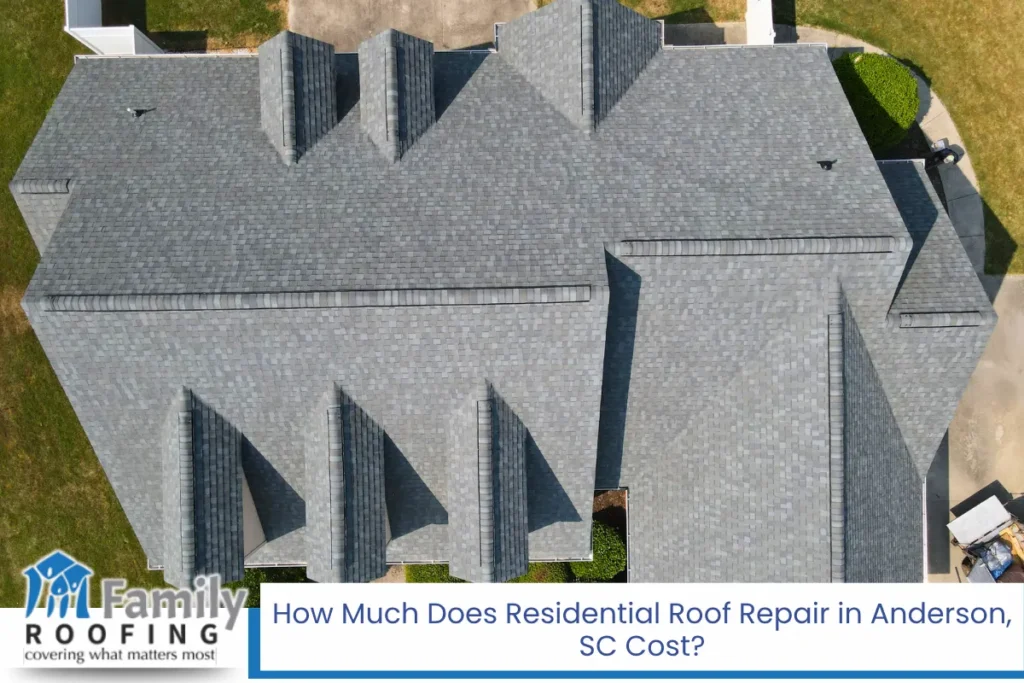
Read How Much Does Residential Roof Repair in Anderson, SC Cost?
Roof Inspections, Free Inspections, and Working With Insurance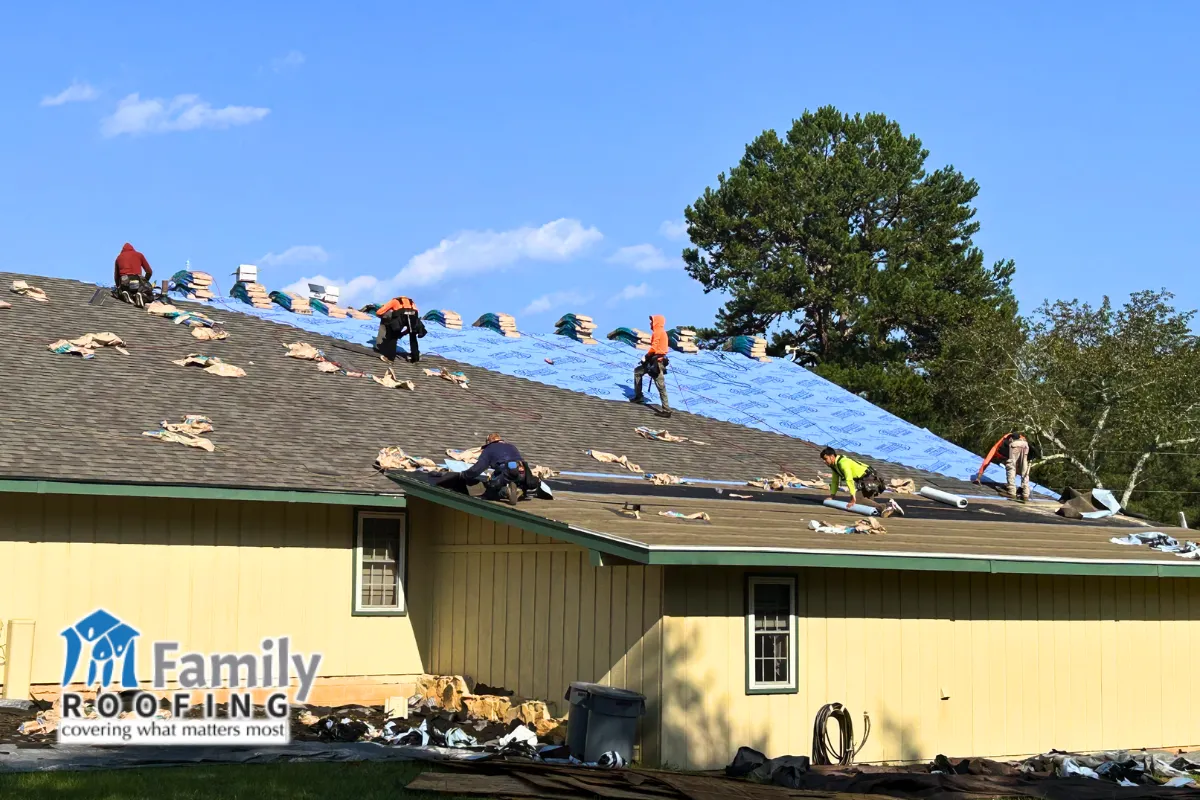
A professional inspection is the first step in deciding whether repair or replacement makes sense. Roof inspections are recommended at least once a year, and after any major weather event.
A thorough inspection includes:
- Checking shingles for cracks, curling, and granule loss
- Examining flashing at chimneys, vents, and valleys
- Inspecting penetration boots and pipe collars
- Evaluating gutters, drip edges, and eave conditions
- Assessing attic ventilation, insulation, and signs of moisture on the deck
Many local roofing companies offer free inspections after storms in Anderson County. During a free visit, expect a roofer to document visible damage with photos, assess the roof’s condition from the ground and on the surface, and provide a written summary of findings. Roof certifications can confirm a roof’s condition for one to five years, which is useful for real estate transactions or insurance documentation.
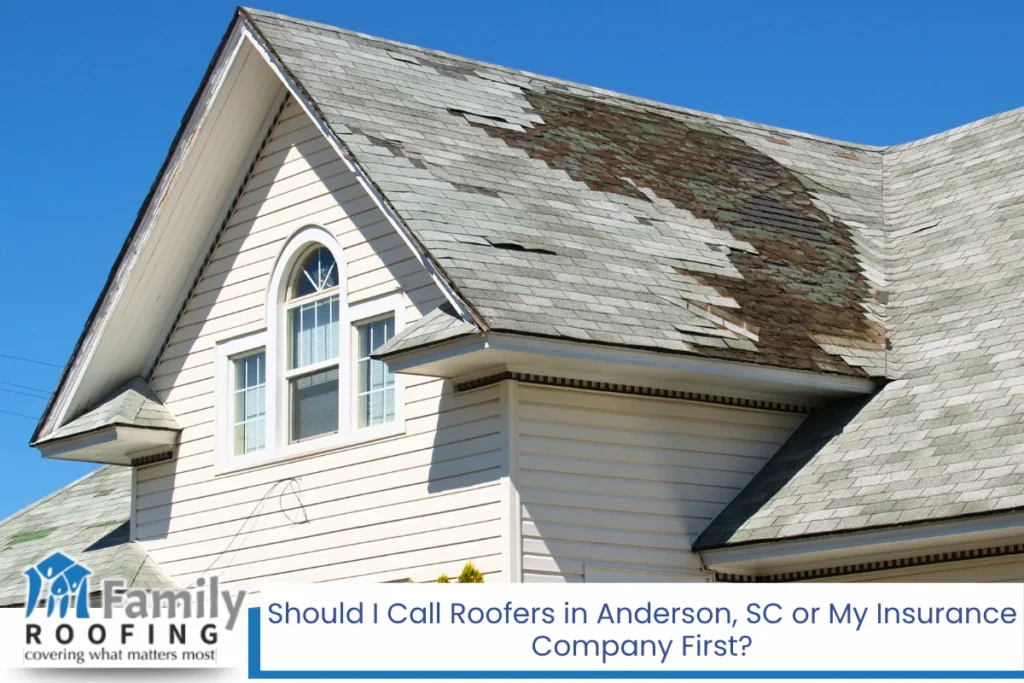
Homeowners’ insurance may cover sudden roof damage caused by wind, hail, lightning, or fallen trees. The claims process involves documenting damage with photos, contacting the insurance company promptly, and keeping records of any temporary fixes. In South Carolina, wind and hail deductibles are often calculated as a percentage of dwelling value, commonly between 1% and 5%, rather than a flat dollar amount.
Insurance claims usually apply to sudden events, not long-term neglect. An experienced contractor can help guide the process and meet with adjusters to verify the scope of covered damage. Keep in mind that Replacement Cost Value policies pay more than Actual Cash Value policies, especially on older roofs where depreciation reduces the payout.
Repairing vs Replacing Residential and Commercial Roofing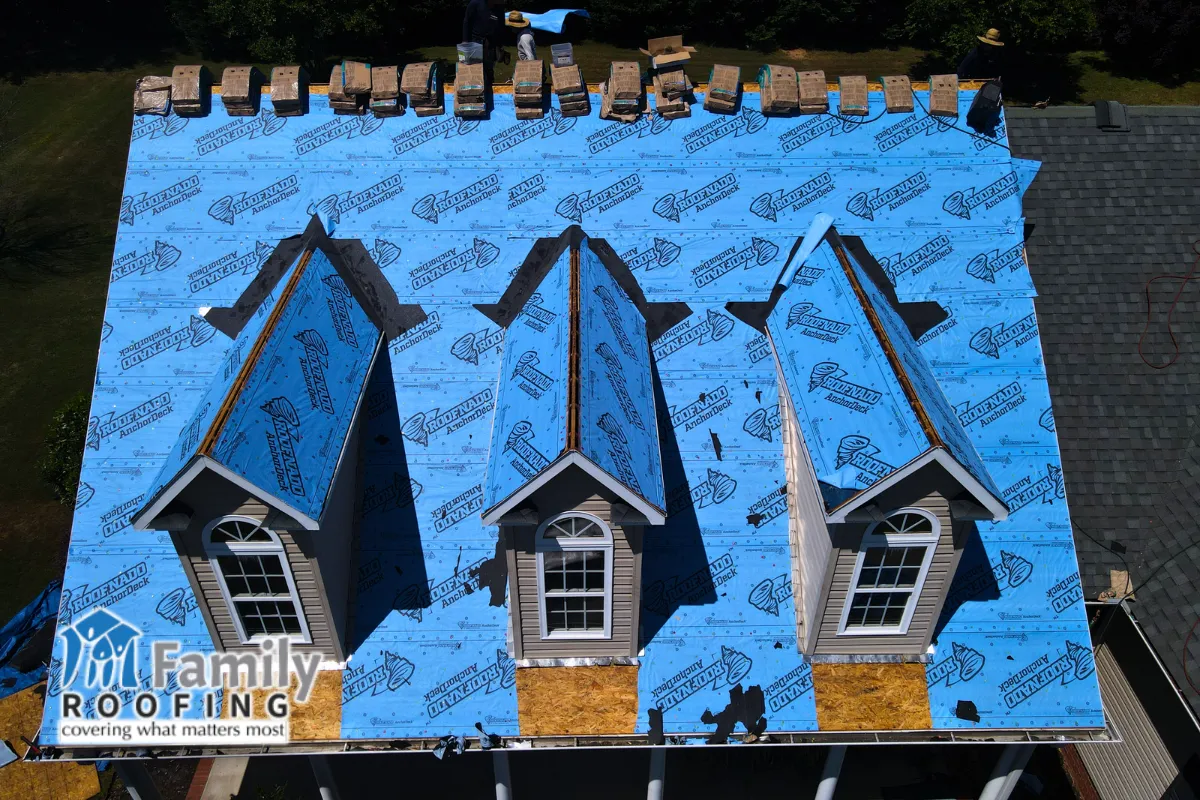
Residential roofing needs differ from commercial roofing in both structure and priorities. Pitched roofs on homes involve curb appeal, shingle matching, and relatively straightforward drainage. Flat or low-slope commercial systems focus on membrane performance, ponding prevention, and seam integrity.
For residential properties, minor patching, partial reroofing of a single slope, or full replacement might each be the best long-term solution depending on age and damage extent. Homeowners near downtown Anderson or around Lake Hartwell face the same decision framework: how much of the roof is affected, how old is it, and what does the decking look like underneath?
For commercial buildings in Anderson, typical repair strategies include seam resealing, patching punctures, correcting drainage issues, and applying protective coatings to extend the membrane’s life. Business owners in the Electric City often schedule preventative maintenance and periodic inspections to avoid disruptions and protect inventory and equipment inside.
Customer satisfaction depends on clear communication of options, expected lifespans, and warranties, whether the project is a small repair or a complete installation.
How to Choose a Trustworthy Roofing Contractor in Anderson
Choosing the right roofing service is just as important as deciding between repair and replacement. A poor installer can turn a simple repair into a recurring problem.
Key credentials to verify:
- Current South Carolina contractor license (check with the Department of Labor, Licensing and Regulation)
- Licensed contractors should carry general liability insurance and workers’ compensation coverage
- Familiarity with Anderson County building requirements, which follow the 2021 International Codes with state modifications
- Compliance with the latest industry standards for materials and installation
Ask how long the contractor has served Anderson, request local references, and review recent project photos. Get at least three estimates from different roofers before committing to a large job. Each written estimate should spell out the scope of work, materials (look for brands like Owens Corning or equivalent), warranties, timeline, and clean-up details.
Avoid high-pressure sales tactics, door-to-door storm chasers who show up uninvited, or anyone who insists on filing an insurance claim before a proper inspection. A reliable roofer earns your trust by being transparent, not by manufacturing urgency. Check reviews on Google and ask other roofers in the area about their reputation.
Practical Steps to Take When You Discover a Roof Leak
Finding a ceiling stain or hearing drips during a storm is stressful. Here is what to do right away:
- Place buckets or containers under active drips to protect floors and furniture.
- Move electronics, valuables, and belongings away from the affected area.
- If water is pooling in a ceiling, carefully puncture the bulge with a small nail to control where it drains, preventing a larger collapse.
Do not climb onto the roof during bad weather. Call a fully licensed roofer for an urgent assessment once conditions are safe. Temporary tarping is often used to prevent water entry until permanent repairs can occur, and most contractors can arrange this quickly.
Document all visible interior damage with photos and written notes. Record the date, the weather conditions, and where you first noticed the leak. This information is critical if an insurance claim is needed later. Ask the roofer about temporary measures and whether they can assess and determine the scope of the problem within the next scheduled inspection window or sooner.
Extending the Life of Your Roof After Repairs
A completed repair is just the first step in getting more years out of your existing roof. What you do afterward matters.
Simple maintenance habits that protect your investment:
- Keep gutters clear of leaves and debris so water flows away from the roof surface
- Trim overhanging branches that drop organic material and shade sections of shingles, trapping moisture
- Inspect valleys and low spots for debris buildup after storms
- Algae growth can accelerate shingle deterioration in humid areas like Anderson, so watch for dark streaks and consider algae-resistant shingles at your next replacement
Schedule periodic professional roof inspections to catch minor issues early. Roof inspections are recommended at least once a year, and many homeowners in Upstate South Carolina schedule them in spring before storm season. Monitor attic ventilation and insulation levels, since poor airflow accelerates aging by trapping heat and moisture against the underside of the decking.
Keep a record of all repair invoices, photos, and inspection reports. This documentation helps future contractors assess the roof’s history and gives potential buyers confidence if you sell. A roof certification, valid for one to five years, can also serve as proof that the roof was inspected and found to be in serviceable condition.
Roof Repair in Anderson, SC – Call Family Roofing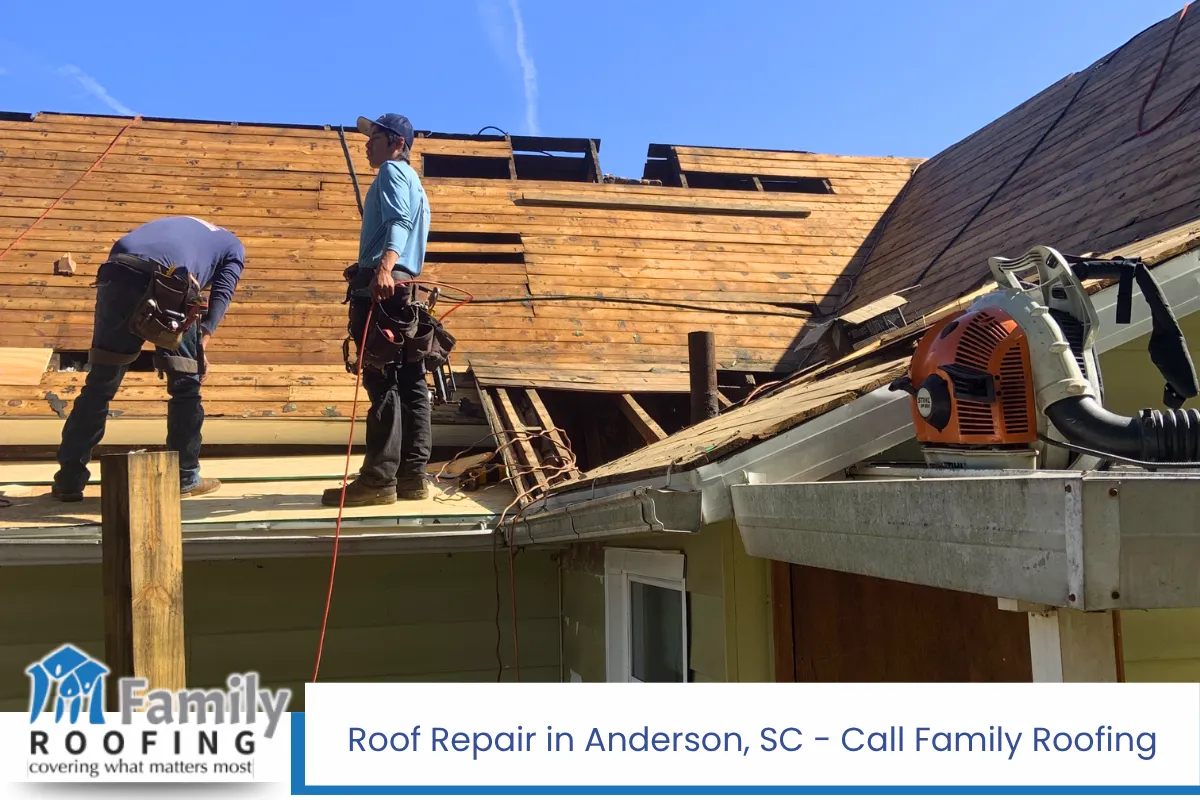
We are Family Roofing, and we have completed over 3,500 roofing projects in Upstate South Carolina. Our team provides honest evaluations about whether a leaking roof can be repaired or whether replacing it is the better path forward. We offer free inspections for homeowners throughout Anderson County and the surrounding areas.
Whether you need a small leak fix or a full residential roofing job, we handle every project with the same focus on craftsmanship and long-term protection. Our roofing service covers everything from shingle repairs and flashing work to complete roof installations.
Call us at (864) 261-0841 or fill out our online contact form to schedule your visit. When you choose our team as your roofing contractor, you get clear communication, help with insurance claims when appropriate, and a commitment to customer satisfaction on every job.
Frequently Asked Questions
How long should a quality roof repair last on an asphalt shingle roof?
The lifespan of a repair depends on the roof’s overall age, the extent of the original damage, and the quality of workmanship. A properly completed repair on a roof that is only 8 to 12 years old can often last the remaining life of the shingles, provided the underlayment and decking are still sound. If the roof is near the end of its expected lifespan (approaching 20 to 25 years for architectural shingles), the repair may only hold for one to three years before other areas begin to fail. Ask your roofer about expected performance and whether they offer a workmanship warranty on the repair. Regular inspections help verify that repaired areas remain watertight over time.
Can I safely repair a small roof leak myself instead of calling a roofer?
Climbing onto a roof carries real safety risks, especially when surfaces are wet, steep, or covered in algae. Falls from residential roofs are one of the leading causes of home injury. Beyond safety, DIY fixes like smearing caulk or roof cement in the wrong location can mask symptoms while water continues to travel underneath shingles and along rafters. A licensed roofer can identify the true source of a leak, which may be several feet away from the visible stain inside your home. Limit your DIY efforts to temporary interior measures: catching drips, protecting belongings, and documenting the damage while you wait for a professional to inspect the problem.
Is it possible to repair just one section or slope instead of the entire roof?
Yes. Partial repairs or partial replacement of one slope are sometimes reasonable when damage is confined and the rest of the roof remains in good condition. Roofers consider color matching of shingles, the underlying decking condition, and how the repaired section ties into the existing system at ridges and valleys. If multiple slopes show age-related deterioration, focusing on a single section might not be cost-effective over the long term. A helpful approach is to request both a partial and a full replacement estimate so you can weigh the options side by side.
How can I tell if a roofing contractor’s recommendation is truly in my best interest?
Ask for a detailed written explanation, including photos, of why the contractor recommends repair, partial replacement, or a new roof. A trustworthy roofer will walk you through the findings and show you exactly what they found during the inspection. Compare recommendations from more than one licensed contractor in Anderson before committing to a large expense. Watch for pressure tactics like insisting you sign immediately or discouraging second opinions. Contractors with strong local references, insured operations, and transparent pricing are more likely to maintain their reputation by being honest about what your roof actually needs.
Do I need to be home during the roof inspection or repair appointment?
Being home for the initial inspection is helpful. You can discuss the leak history, provide access to the attic, and ask questions in real time. Many repairs and replacements, however, can be completed while you are away, as long as access to the property and clear communication are arranged beforehand. After the work is done, schedule a post-job walkthrough or ask the team to provide photos and documentation of the completed work. Confirm the scope, materials used, and warranty details in writing. Clear expectations agreed on before the appointment help maintain a smooth process even if you cannot be on-site for the full duration.
Disclaimer
This article provides general roofing information for Anderson, SC homeowners. It does not constitute legal, insurance, or structural engineering advice. Consult qualified local professionals for decisions specific to your property and situation.
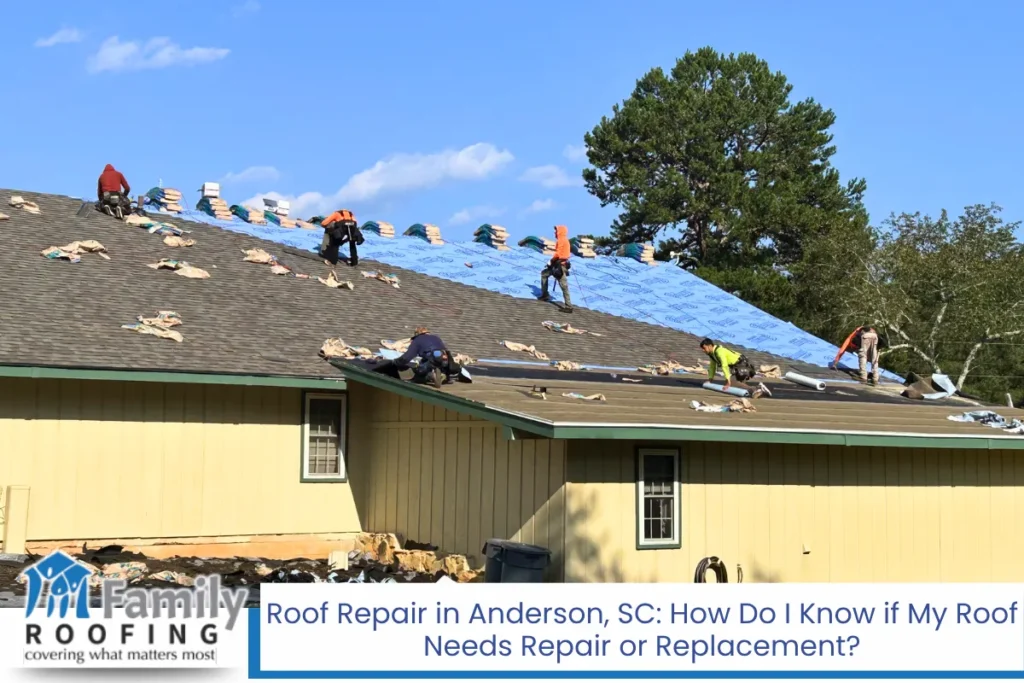
Read Roof Repair in Anderson, SC: How Do I Know if My Roof Needs Repair or Replacement?