Roof Repair vs. Replacement Question
If you are searching for roof repair in Anderson, SC, chances are something already looks or feels wrong with your home’s first line of defense. Maybe it is a brown stain spreading across your ceiling after the last thunderstorm, or a handful of shingles scattered in the yard. The worry is real, and left unchecked, a small roof leak can invite mold, rot through your decking, and even lead to a denied insurance claim if damage goes undocumented too long.
This guide walks you through the warning signs Anderson homeowners should watch for, what a thorough inspection covers, and how to decide whether a straightforward repair or a full replacement makes the most sense for your home and your budget. The focus here is on residential roofing across the Anderson area and surrounding communities in Upstate South Carolina, with attention to the storm patterns and weather conditions that make local roofs work harder than most.
Key Takeaways
- Missing shingles, curling edges, water stains, and granule buildup in gutters are among the most common signs your roof needs attention.
- Roofs in Anderson County face summer heat, humidity, heavy rain, and frequent storms that can shorten the useful life of roofing materials well before the warranty expires.
- Asphalt shingles last between 20 and 30 years, but local climate factors in Anderson can accelerate wear, making age over 20 years a strong signal for potential replacement.
- A professional roof inspection is the safest way to determine whether targeted work or a complete roof replacement is the right move.
- A trusted roofing contractor in Anderson can also help document storm damage and support the insurance claims process.
Common Warning Signs Your Anderson Roof May Need Attention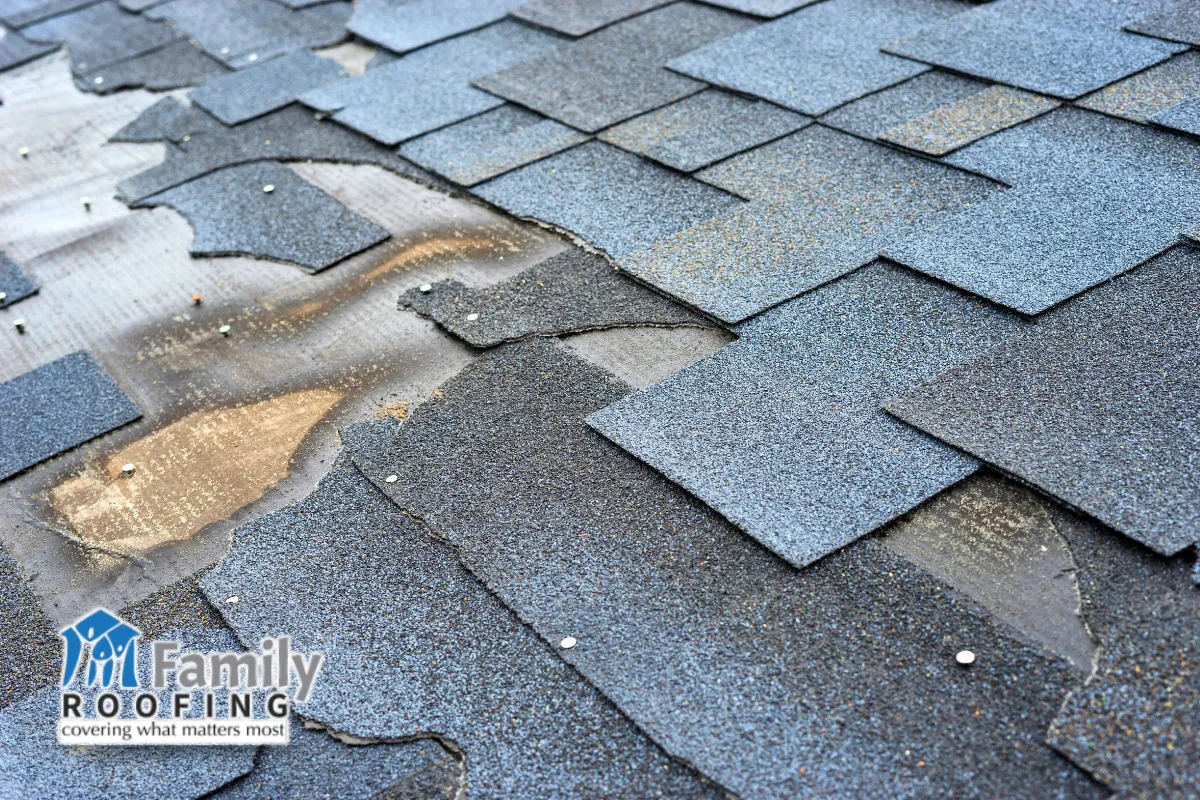
Catching problems early in Anderson’s humid, storm-prone climate can save thousands in interior repairs and structural fixes down the road. Roofs in Anderson County absorb roughly 46 inches of rain per year, endure summer temperatures that regularly push past 90 degrees, and face frequent hail and high winds. That combination wears on every roofing system over time.
Here are the exterior and interior clues to watch for:
Exterior Warning Signs
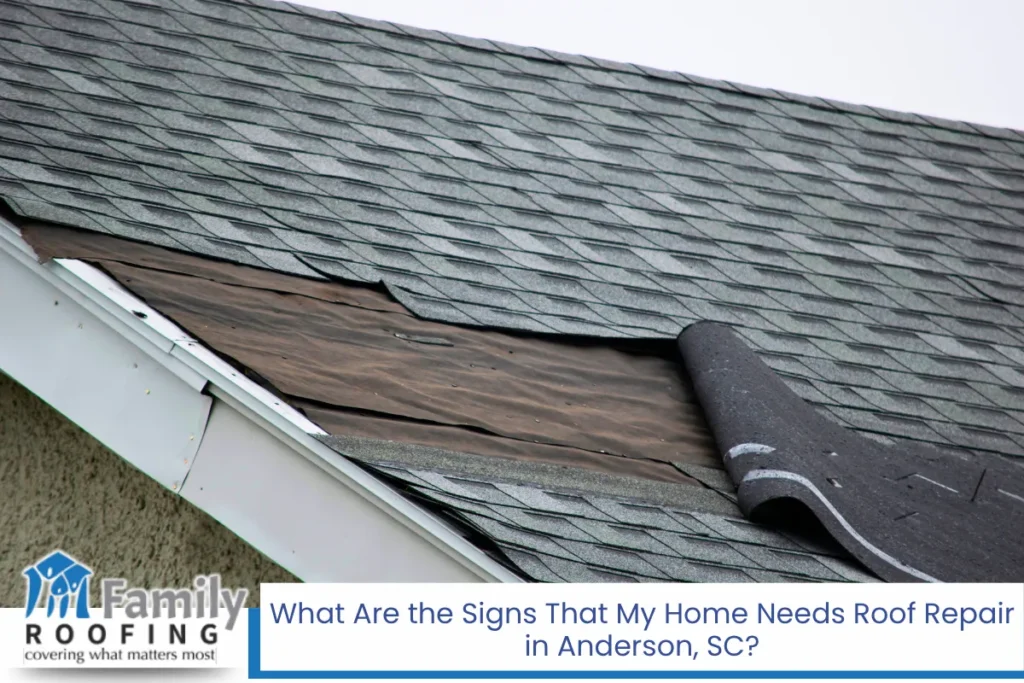
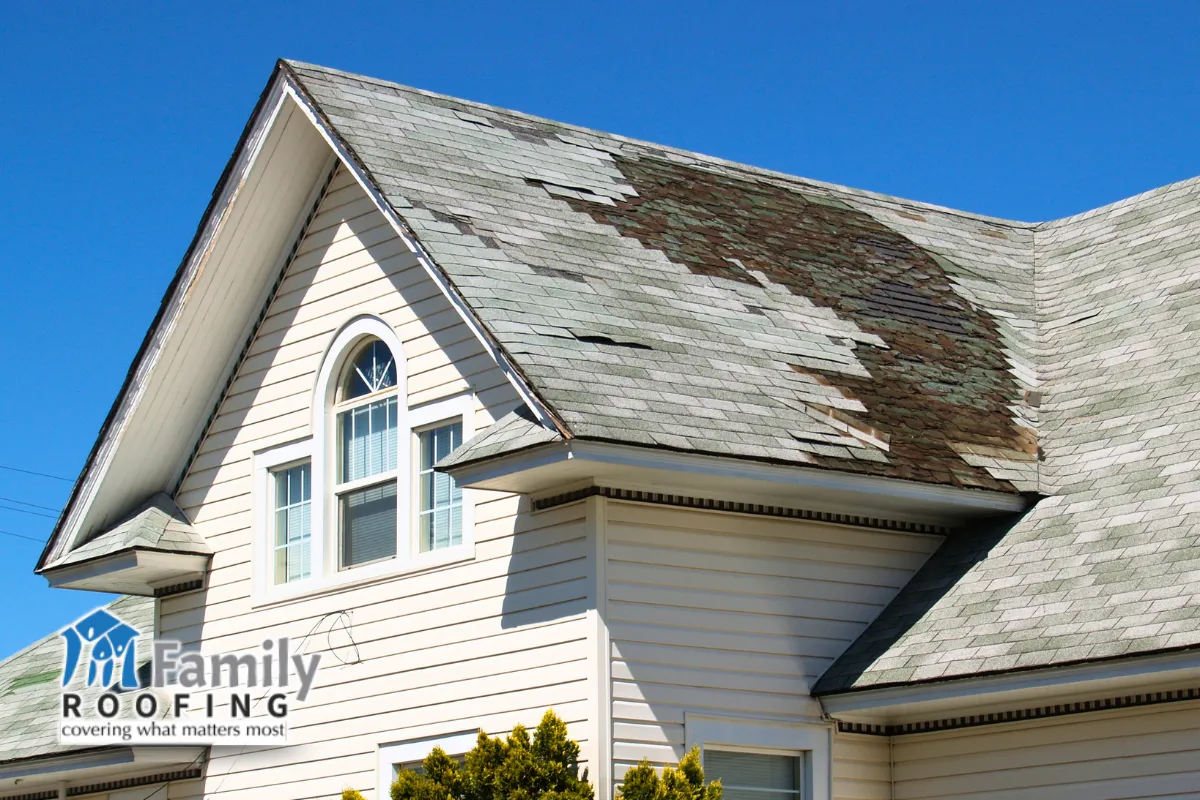
- Missing shingles can lead to roof leaks faster than most homeowners realize, especially when the exposed area sits near a valley or penetration.
- Curled shingles indicate potential roof issues ranging from moisture beneath the mat to simple aging from sun exposure.
- Cracked, creased, or buckled tabs across multiple areas of the roof suggest the material is losing flexibility.
- Exposed nail heads or loose flashing around chimneys, vents, and skylights create direct paths for water intrusion.
- A wavy roof may indicate structural damage underneath, often from prolonged moisture in the decking.
- Significant granule loss signals aging shingles. You can spot this as dark, bare patches on the surface or as gritty buildup collecting inside your gutters.
Interior Warning Signs
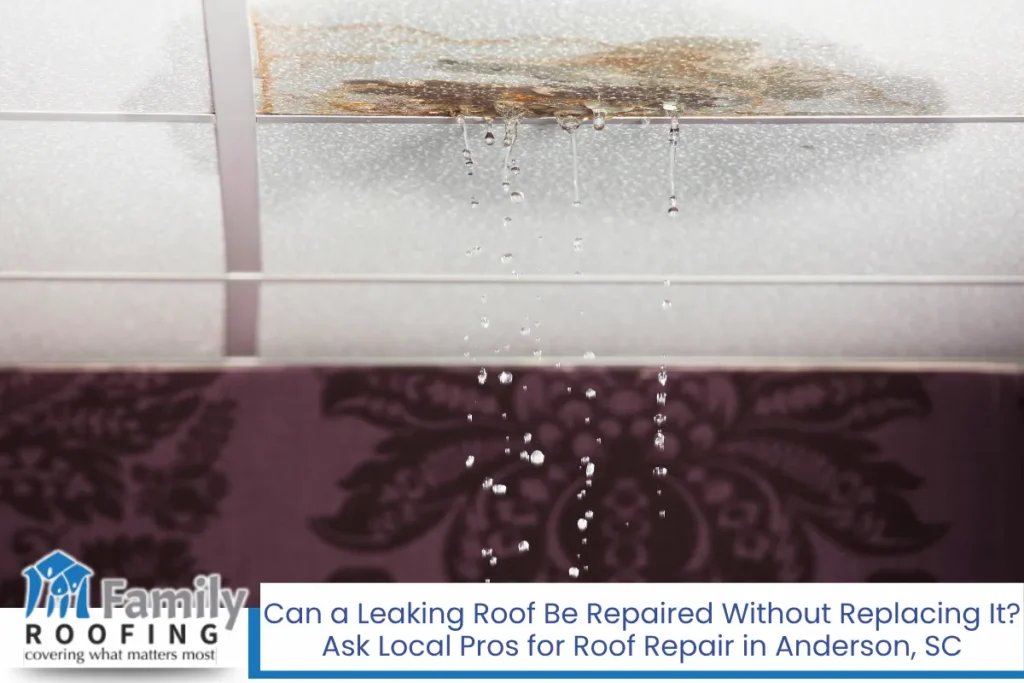
- Water stains on ceilings signal roof leaks, even if the stain appears far from the actual breach point.
- Recurring water stains on ceilings or walls indicate failed waterproofing that goes beyond a one-time drip.
- Musty odors in the attic, damp insulation, or visible mold growth point to chronic moisture problems.
- Bubbling or peeling paint on interior walls often means water is pushing materials from behind.
- Visible daylight through roof boards indicates severe compromise of roof structure and usually means decking replacement is needed.
- Spiking energy bills can signify roof ventilation issues, where trapped heat and moisture are degrading your roofing system from the inside out.
A sagging roofline is a red flag indicating potential structural issues. Sagging roof sections suggest underlying moisture damage that has weakened rafters or sheathing. If you see any dip or bow in what should be a straight ridge or eave line, schedule a professional inspection right away.
Widespread curling, buckling, or cracking of shingles indicates loss of integrity across the system. When that pattern shows up on multiple slopes rather than in one small patch, you are likely looking at something bigger than a quick fix. These signs apply to both asphalt shingle roofs and metal roofing surfaces commonly found across Anderson County neighborhoods.
Leaky Roofs in Anderson: When a Simple Repair Is Enough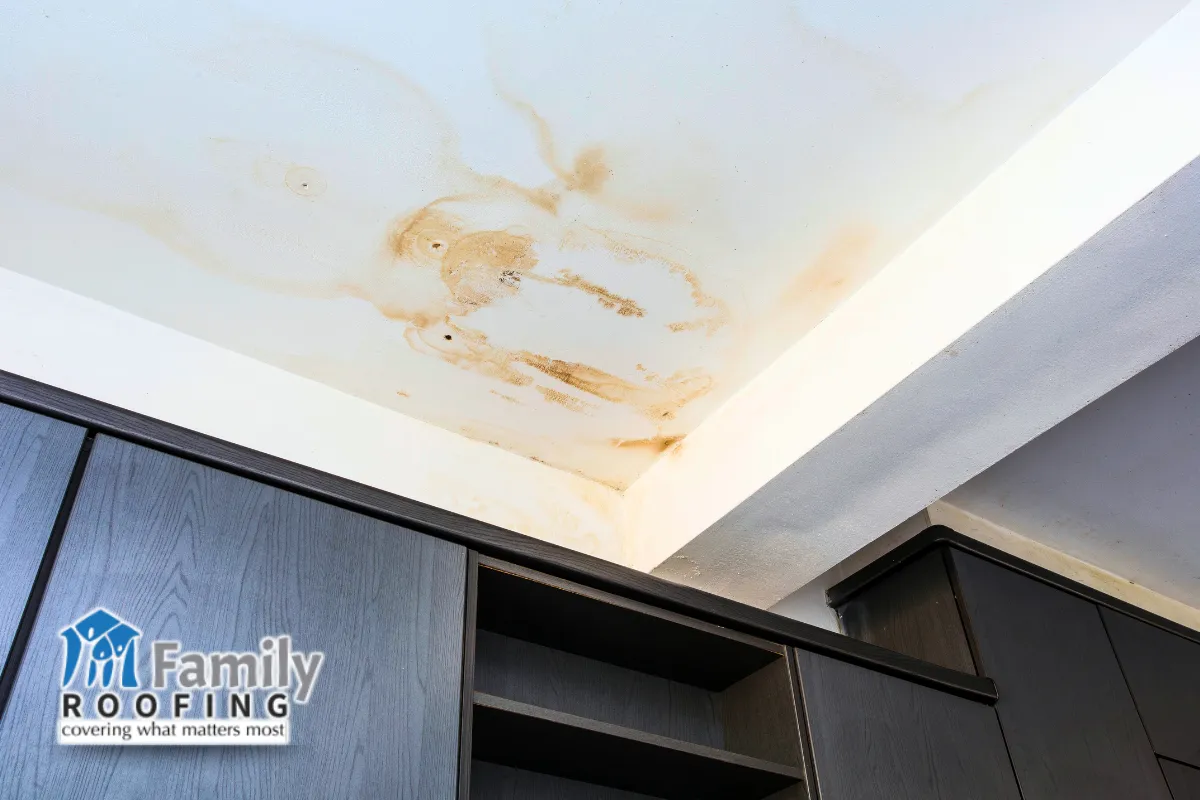
Not every leak means you need a new roof. Many roof leaks in Anderson start small, often around penetrations, flashings, or valleys, and can be resolved with a localized repair if you catch them before moisture spreads.
Common leak sources include:
- Damaged flashing, which often leads to localized leaks around chimneys, vent pipes, and wall transitions
- Deteriorated pipe boots that crack from years of UV and thermal cycling
- Nail pops from expansion and contraction of roof decking
- Poorly sealed satellite dish or antenna mounts
- Clogged gutters forcing water to back up under the shingle edge
Water can travel along rafters and decking before dripping onto a ceiling, so the stain you see inside may sit several feet from the actual entry point. That is why accurate diagnosis matters more than a quick patch over the stain.
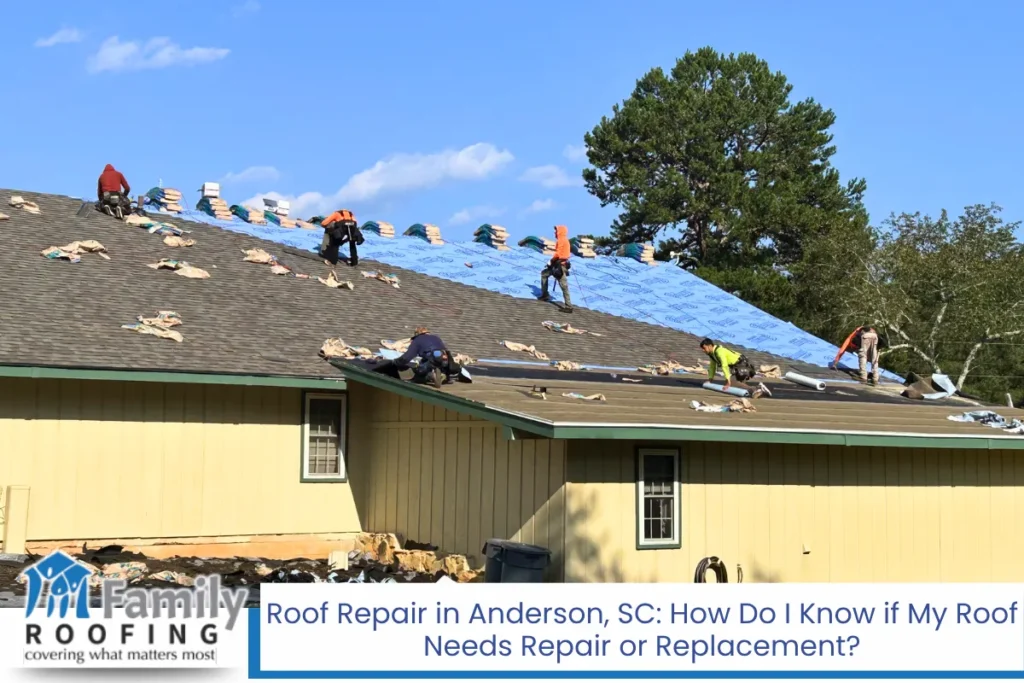
When a roofer addresses a localized leak, the typical process involves removing shingles around the problem area, replacing or sealing the flashing, patching compromised underlayment, and resurfacing the affected zone. Repair is preferable for minor leaks or localized damage, and small interior leaks can often be patched without tearing into large sections of the roof.
Localized missing or damaged shingles may only require a simple repair, particularly when the roof is relatively young, the decking is sound, and the surrounding material still has life in it. To properly assess the situation, inspect for water stains and damp insulation in the attic before assuming the worst.
Age, Wear, and When Your Anderson Roof Is Near the End of Its Life
Every roofing material has a finite useful life, and Anderson’s climate pushes materials toward the shorter end of manufacturer estimates. Standard architectural asphalt shingle roofs last roughly 20 to 25 years under favorable conditions, while three-tab varieties often begin showing serious wear closer to 15 to 20 years. Asphalt shingles last 20 to 30 years overall, but that range depends heavily on installation quality, ventilation, and how many severe weather events the roof absorbs along the way.
Key age-related signals that your old roof may be approaching the end:
- The roof is over 20 years old and has undergone multiple rounds of patching
- Multiple layers of shingles exist from prior re-roof projects, adding weight and trapping heat
- Neighbors with similar homes and build dates are already getting replacements
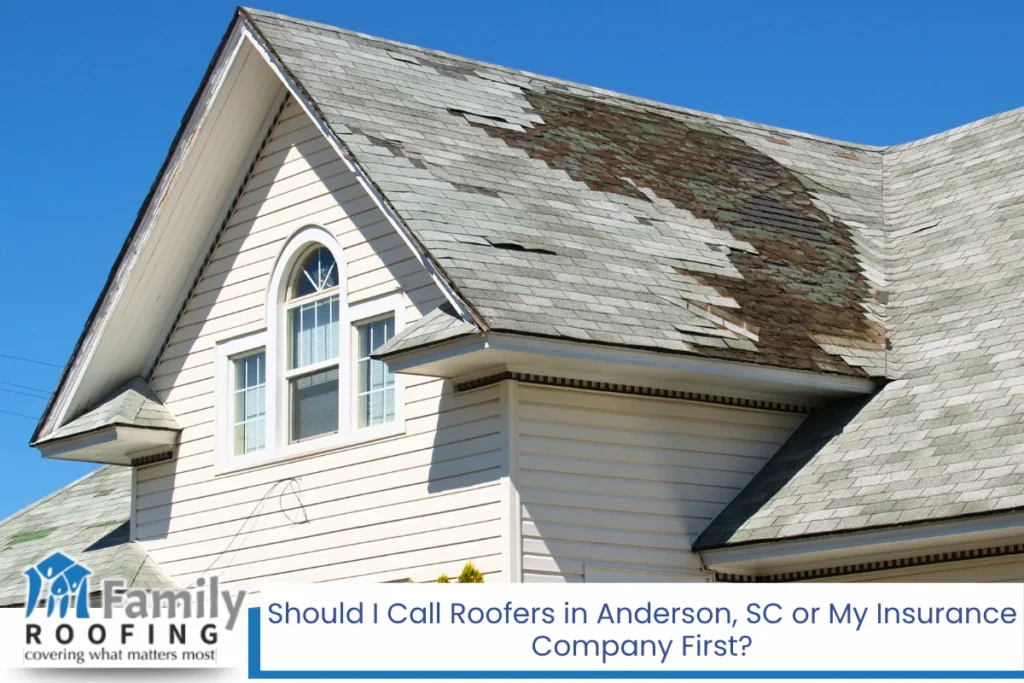
- Widespread granule loss across every slope, leaving the asphalt mat exposed
- Shingles lying flat but brittle to the touch, with pronounced curling or cupping at the edges
Frequent small repairs on an aging system can cost more over time than planning a complete roof replacement before the decking or interior suffers further damage. In Anderson’s climate, poor attic ventilation accelerates the aging process dramatically. Heat buildup in summer and trapped moisture year-round degrade sheathing, underlayment, and insulation from below.
Metal roofing offers superior durability and energy efficiency, and metal roofs can last significantly longer than asphalt shingles, making them an increasingly popular option for homeowners weighing long-term value. Architectural asphalt shingles provide strong protection and cost-effectiveness for those who prefer a traditional look at a lower upfront price point.
Read What Are the Signs That My Home Needs Roof Repair in Anderson, SC?
Storm Damage in Anderson County: Hail, Wind, and Hidden Roof Problems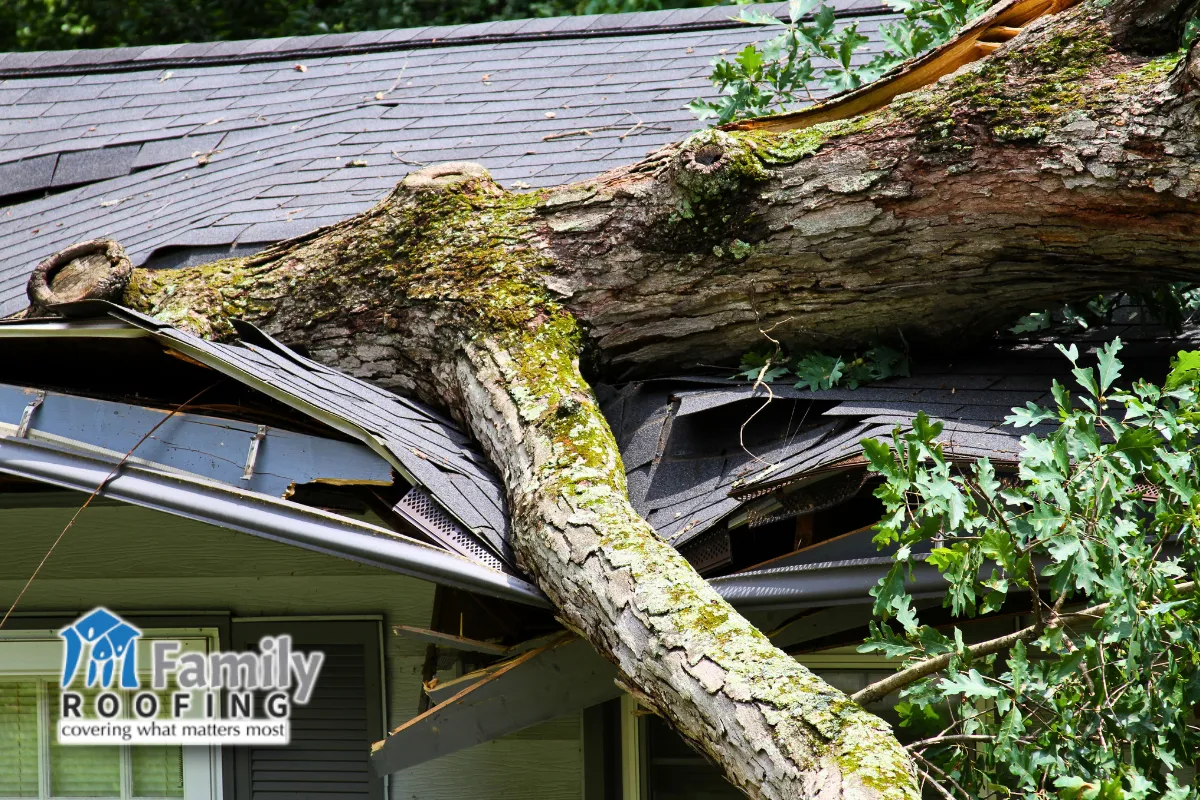
Anderson County has recorded hundreds of wind events with gusts exceeding 58 mph and well over a hundred hail events with stones larger than a quarter since records began. Strong thunderstorms, hail, and high winds can damage shingles even when everything appears fine from the yard.
Typical storm-related roof damage includes:
- Shingles torn off or creased by wind uplift, especially at ridges and edges
- Hail bruising that crushes granules and weakens the asphalt mat beneath
- Dented or displaced metal flashing around penetrations
- Ridge caps blown loose or separated at seams
- Tree limbs puncturing or scraping the roof surface
Hail impact might not break a shingle outright, but it can undermine water resistance in ways that cause leaks months or even years later. Post-storm inspections identify visible and hidden roof damage that ground-level observation alone will miss. Inspections after severe weather can reveal hidden vulnerabilities in areas like valleys, flashings, and edges where wind uplift is strongest.
Local climate factors in Anderson can accelerate roofing material wear, so even a roof that survived one storm season without visible damage may carry weakened spots heading into the next. Multiple leaks after repairs suggest systemic roofing failure rather than isolated issues, which is a strong indicator that replacement should be on the table.
Documentation from a qualified roofing contractor, including photos, measurements, and written observations, becomes critical evidence if you need to file a claim with your insurance company.
What a Professional Roof Inspection in Anderson Should Include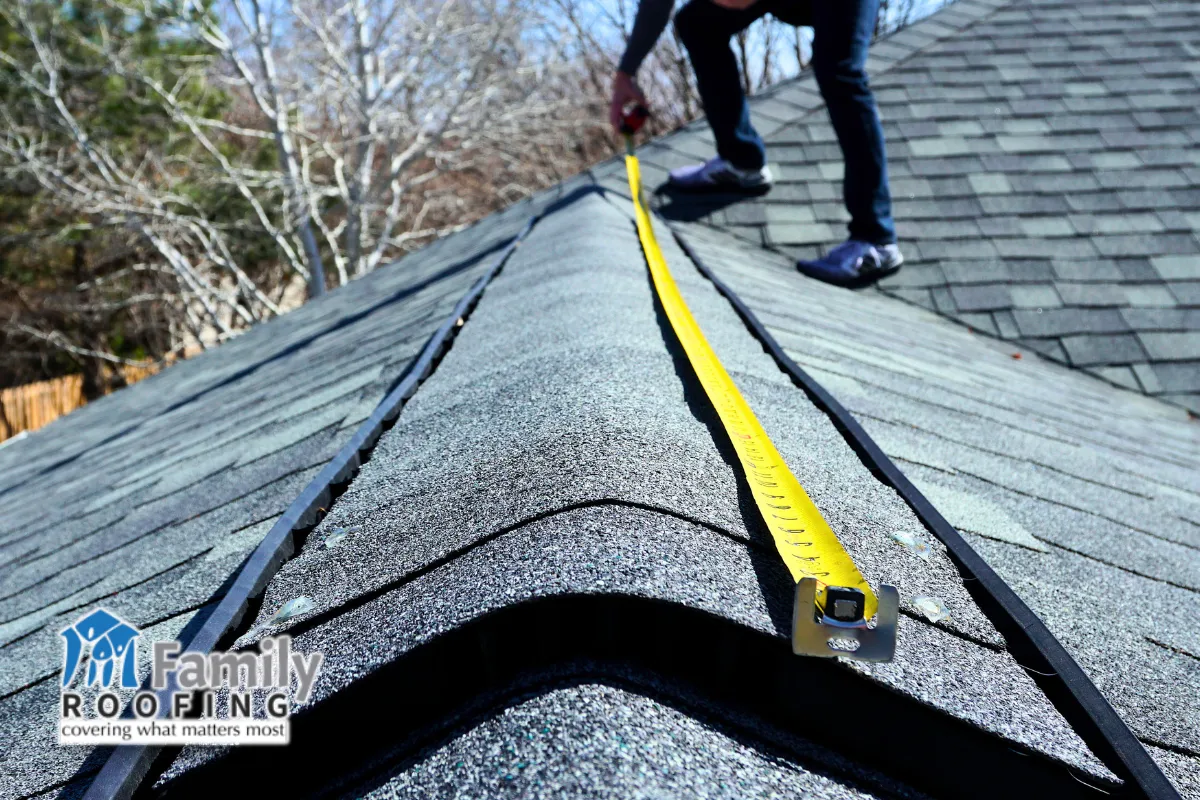
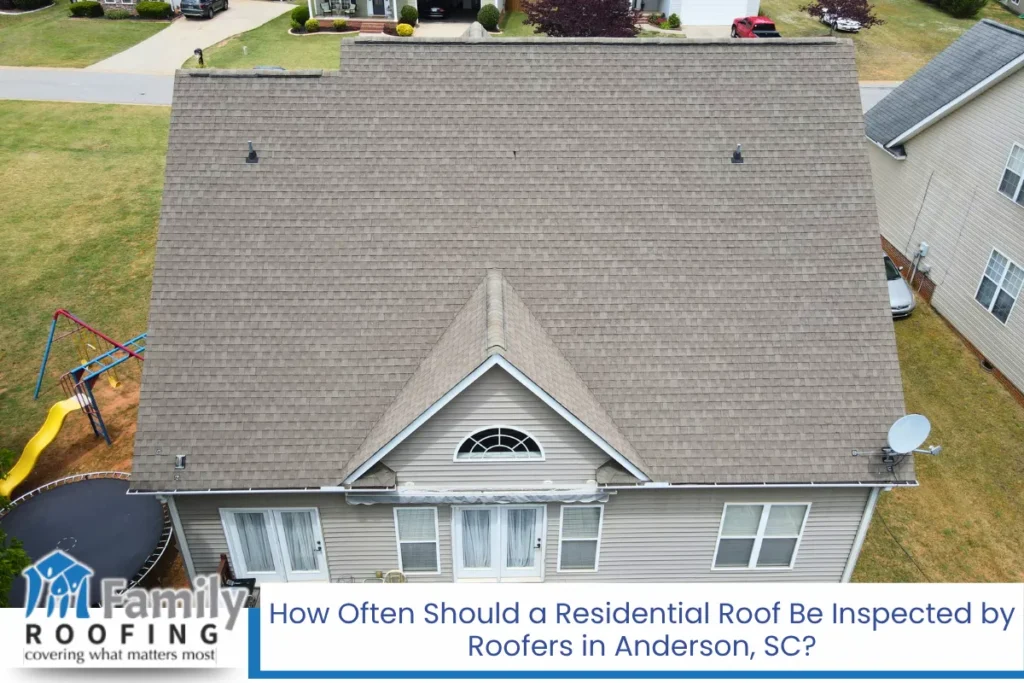
A thorough roof inspection is the safest way to determine whether you need a minor fix, scheduled maintenance, or a full replacement. Roof inspections are recommended at least once a year, and additional checks after major storms are essential in a market like Anderson County.
Exterior Inspection Tasks
- Evaluate every slope for damaged shingles, cracked tabs, and surface erosion
- Check ridges, hips, and valleys for proper sealing and drainage
- Assess all flashing around chimneys, vents, skylights, and roof-to-wall transitions
- Examine pipe boots for cracking or separation
- Review gutters and downspouts for debris accumulation and granule buildup
- Look at the overall roof slope for sagging, ponding, or uneven lines
Attic and Interior Review
- Inspect the underside of the decking for staining, rot, or mold
- Verify insulation condition, checking for wet spots or compression
- Look for daylight penetrating through the roof deck
- Evaluate ventilation paths, including ridge vents, soffit vents, and attic fans
Professional inspections help document damage for insurance claims and can prevent minor issues from becoming major expenses. Many reputable roofers in Anderson offer free inspections or free roof inspections after severe storms. Before scheduling, confirm that the contractor is fully licensed in South Carolina and carries proper insurance.
The inspector should explain findings clearly, prioritize urgent issues, and provide a written report that distinguishes between items that need immediate attention and those that can be monitored over time.
Repair vs. Full Roof Replacement: How to Decide in Anderson, SC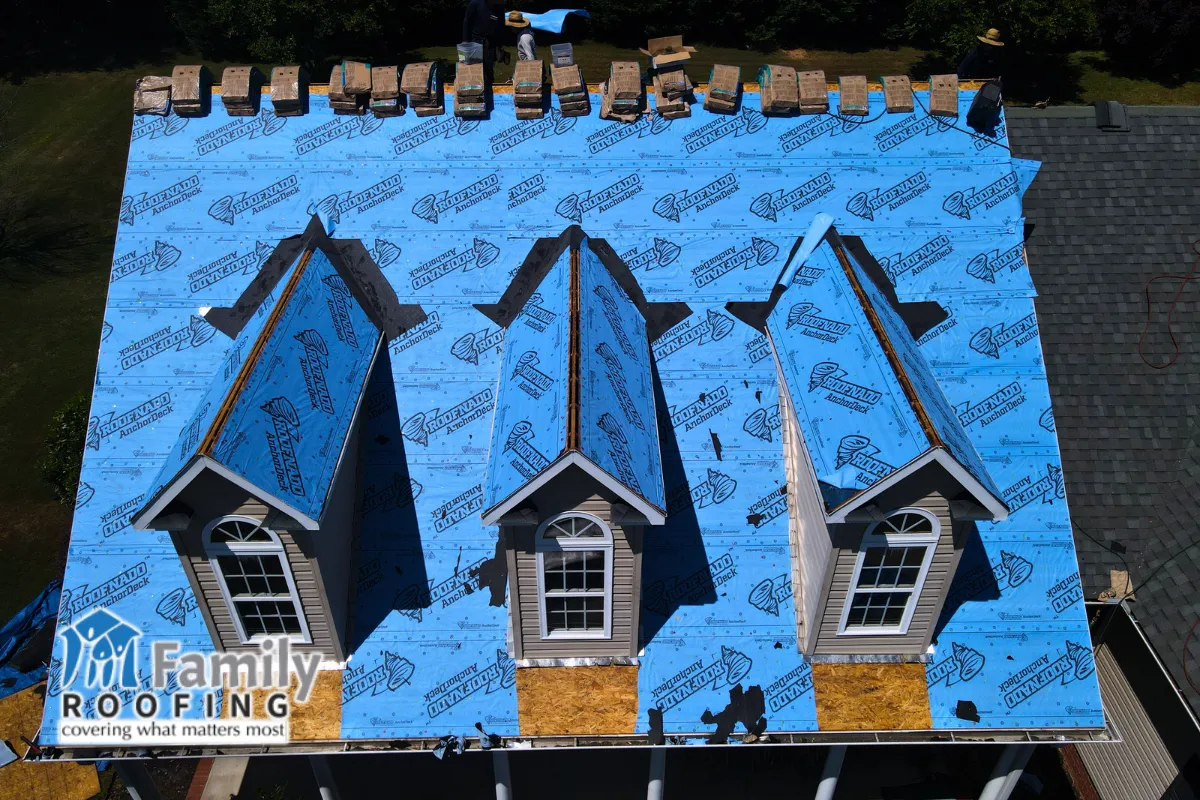
The repair-versus-replacement decision usually comes down to four factors: the roof’s condition overall, how old the system is, the extent and location of damage, and what you plan to do with the home in the coming years. Determining if a repair or replacement is needed depends on age, damage extent, and structure.
When Repair Makes Sense
- The roof is under roughly 15 years old
- Damage is limited to a single area or a few missing shingles
- Decking is structurally sound with no signs of rot
- Surrounding shingles still have granule coverage and flexibility
When Replacement Is the Stronger Move
- Replacement is advisable for widespread damage or a roof aged 20 years or older
- Chronic leaks appear in different locations despite previous patches
- Storm or hail damage spans multiple slopes
- Prior re-roof projects have added extra layers that trap heat and moisture
Roof replacement costs depend on roof size and pitch, and roofing material choice affects overall replacement costs significantly. Tear-off requirements can increase roof replacement costs further, especially when multiple layers of old material need to come off before the new system goes down. Roof replacement typically takes one to three days for an average-sized residential home, though scheduling can shift depending on weather and material availability.
Homeowners planning to sell in the near future often find that a new roof improves curb appeal, reduces buyer objections during inspections, and can support a higher sale price or faster closing.
Navigating Insurance Claims for Roof Damage in Anderson
 Many Anderson homeowners first discover roof problems after a storm and wonder whether their policy will cover part of the cost. Homeowners insurance often covers storm damage to roofs, including wind damage and hail impact, but policies typically exclude gradual wear and tear.
General steps after a storm event:
- Document visible damage with photos and written notes as soon as it is safe
- Contact your insurance company promptly to report the event
- Schedule a professional inspection to provide a detailed assessment
Documenting damage is crucial for successful insurance claims, and insurance claims require detailed documentation of roof damage, including photos, dates, and a written evaluation from a qualified roofer. Professional inspections help determine if damage qualifies for insurance claims, though the final decision rests with the adjuster.
A licensed contractor can assist with the insurance claims process by providing inspection reports, material specifications, and scope-of-work estimates that adjusters rely on. Review your policy’s deductible, coverage limits, and any requirements for using licensed contractors in Anderson County before authorizing work.
Choosing a Qualified Roofing Contractor in Anderson, SC
The quality of the roofer you hire directly affects how long any work holds up in Anderson’s demanding climate. In South Carolina, any contractor performing roofing work exceeding $500 must be registered as a Residential Specialty Contractor with a Roofer classification through the SC Department of Labor, Licensing, and Regulation.
When evaluating a roofing company, look for:
- Valid South Carolina licensing and registration
- General liability and workers’ compensation coverage
- Local references and verified online reviews from Anderson area homeowners
- Manufacturer certifications for the roofing materials being installed
- Written estimates that outline materials, scope of work, projected timeline, and warranty terms
A reputable roofing contractor will get your roof inspected before recommending either minor work or a complete roof replacement and will explain why a particular solution fits your situation. Be cautious of high-pressure sales tactics, door-to-door storm chasers who cannot provide documentation, and anyone unwilling to answer questions about local building practices.
Planning Ahead: Maintenance Tips to Extend Your Roof’s Life in Anderson
Even a new roof will perform better and last longer with regular maintenance tailored to Anderson’s tree canopy, humidity, and storm frequency.
- Keep gutters and downspouts clear to prevent water from backing up under shingles
- Trim overhanging branches that scrape surfaces and drop debris
- Monitor for moss growth and algae, which thrive in shaded, humid areas and can trap moisture against shingles
- Check for debris accumulation in valleys and around penetrations after storms
- Watch your attic for moisture buildup and poor ventilation, as these conditions shorten shingle life and encourage mold growth
Schedule periodic inspections, especially after major weather events, to catch loose shingles, failing seals, or small leaks before they turn into expensive projects. Routine maintenance with a trusted local roofing service protects both residential and small commercial roofing systems across Anderson.
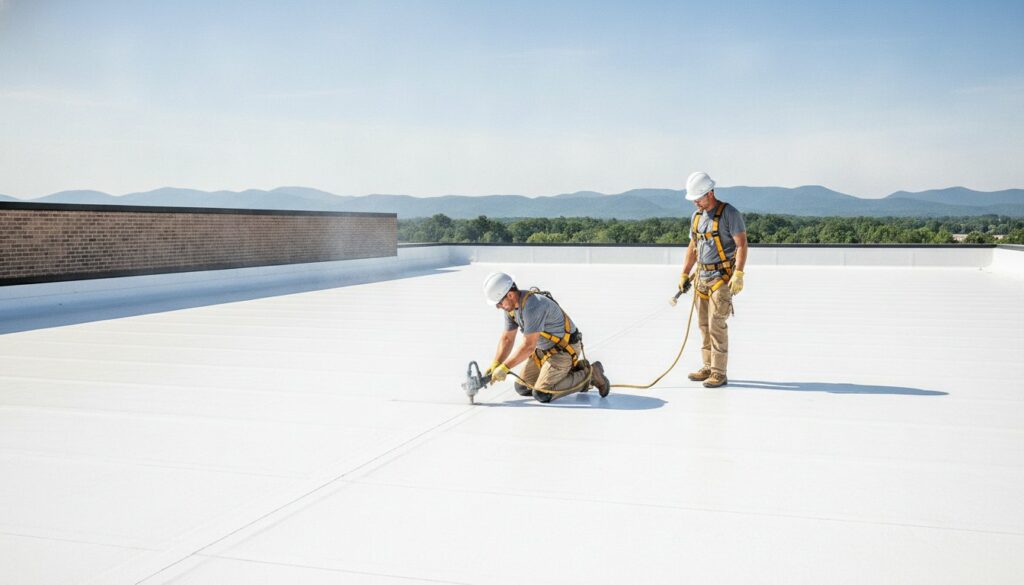
Commercial property owners with flat or low-slope systems should follow similar schedules, as heavy rainfall and standing water create unique risks for commercial properties and commercial buildings.
Putting It All Together: Making a Confident Roof Decision in Anderson
Deciding between targeted work and a full re-roof project starts with honest observation and ends with a clear inspection report from someone who knows Anderson’s roofing needs firsthand. Pay attention to the common signs discussed above: missing or curling shingles, recurring leaks, granule loss, and anything that looks uneven or sagging from the ground.
Do not ignore early warning signs like water stains, damaged shingles, or ongoing drips. What seems like a small nuisance today can escalate into structural damage, mold remediation, and an insurance headache if left unaddressed.
A written inspection report from an experienced team gives you the information needed to choose the right path, whether that is a simple fix on a younger roof or a complete investment in a new system. Either way, acting early protects your home’s structure, your belongings, and your long-term property value. Partnering with a qualified roofing contractor in Anderson means you are making that decision with confidence.
Roof Repair in Anderson, SC – Call Family Roofing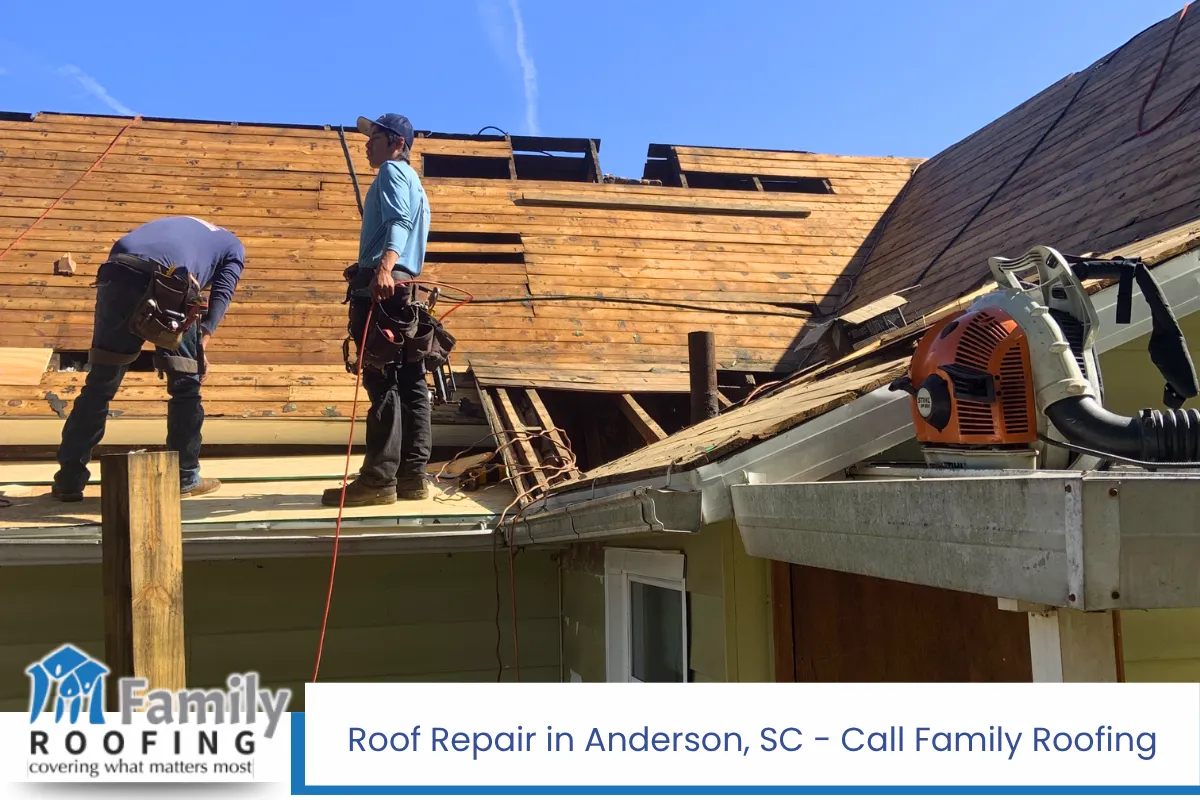
At Family Roofing, we provide expert roof repair and residential roofing services proudly serving Anderson and the surrounding communities across Anderson County. Our experienced team handles everything from minor leak fixes to full roof replacements, and we give you straightforward recommendations based on what your roof actually needs, not what generates the biggest invoice.
We offer free roof inspections after storms so you know exactly where you stand before spending a dollar. If your situation involves an insurance claim, we can provide the documentation and detailed reports that adjusters look for. We also offer financing options to help make the right solution affordable.
Call us at (864) 261-0841 or fill out our online contact form to schedule your evaluation. Whether you need a quick repair or a brand new roof, Family Roofing is here to protect your home.
Frequently Asked Questions
How often should I have my roof inspected in Anderson, SC?
Plan on at least one professional inspection per year, ideally in spring or early fall before and after peak storm season. In Anderson County, where hail and high winds are common, you should also schedule a check after any major weather event. Annual inspections help catch small issues like cracked pipe boots or lifted flashing before they grow into costly leaks. They also create a documented history of your roof’s condition, which can be valuable if you ever need to file an insurance claim or put your home on the market. Between professional visits, do a quick visual check from the ground with binoculars, but avoid climbing onto the roof yourself for safety reasons.
Do I need to be home during a roof inspection?
Being home is not always required, but it helps. When you are present, the inspector can walk you through findings in real time and answer questions on the spot. More importantly, being home gives the roofer access to your attic, where signs like damp insulation, stained decking, and inadequate ventilation tell a more complete story about the roof’s condition. Reputable contractors will respect your property, clean up after the visit, and provide a written summary of results even if you cannot be there. If scheduling is tight, ask whether the company can send a detailed photo report and follow up by phone afterward.
What should I do right away if my roof suddenly starts leaking?
Start by protecting furniture and belongings beneath the leak. Place a bucket or container to catch dripping water. If you notice a bulging bubble in the ceiling drywall, you can carefully puncture it with a small nail to release trapped water into the container, preventing a larger collapse. Shut off electricity in the affected area if water is near light fixtures or outlets. Call a local roofer as soon as conditions allow for emergency tarping or temporary protection, especially if rain is still falling. Take photos and notes documenting the leak, including the date and approximate location, in case you need to file a claim with your insurance company later.
How long does a typical roof repair or replacement take in Anderson?
Most minor repairs, such as replacing a section of damaged shingles or resealing flashing, can be completed within a single day. A full asphalt shingle replacement on an average-sized home generally takes one to three days, depending on factors like roof pitch, the number of layers being torn off, and weather during the project. After major storms, scheduling backlogs can push timelines out by several weeks, so requesting an estimated start date when you receive your quote is a good practice. Responsible contractors will also protect your landscaping and handle debris cleanup, which may add a small amount of time but significantly improves the experience.
Will a new roof really improve my home’s value and energy efficiency?
A well-installed new roof can meaningfully boost curb appeal, ease buyer concerns during a home sale, and sometimes support a higher listing price. Beyond aesthetics, modern roofing materials paired with proper attic ventilation help manage heat buildup in Anderson’s hot summers, which can contribute to more stable indoor temperatures and potentially lower cooling costs. Lighter shingle colors reflect more solar energy, and upgraded ridge and soffit ventilation reduces the trapped heat that drives up energy bills. For commercial property owners considering similar upgrades, TPO, PVC, and EPDM are common commercial roofing materials that offer reflective properties suited to flat or low-slope applications. Talk with your roofing contractor about material and ventilation options that match your specific house design and budget in the Anderson area, whether you are in downtown Anderson or one of the surrounding communities.
Disclaimer: This article provides general roofing information for Anderson, SC homeowners and is not a substitute for licensed professional advice on structural, insurance, or legal matters. Always consult qualified local experts regarding your specific roof.
Read Should I Call Roofers in Anderson, SC or My Insurance Company First?